Advertising

China Flag detail
Home Earth Continents Asia Asia Map China
All Countries


Country Profile Government Maps News Culture Business Tourism World Heritage Sites Education Environment History Native Info


China


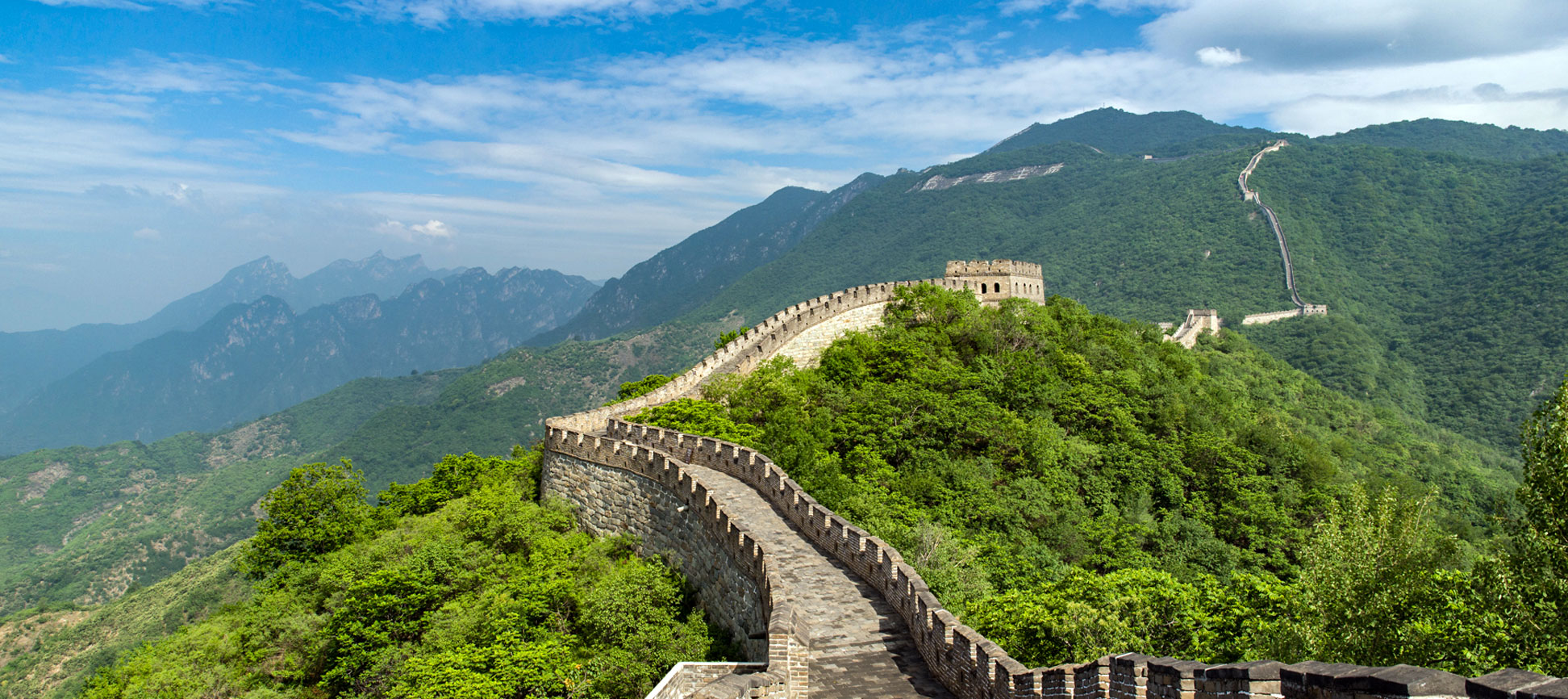
Great Wall of China
The Great Wall of China is a vast system of fortifications built over centuries along northern China's frontier to protect against invasions, control trade routes, and symbolize imperial power. The Great Wall is the most extensive UNESCO World Heritage Site, it stretches over 20,000 km across mountains, deserts, and plains, making it the longest man-made structure on Earth
Image: Martijn Roos

 
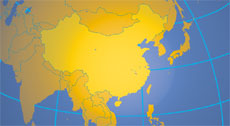
Location map of China . Where in the world is China ?
Location map of China


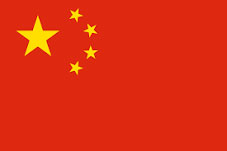
Flag of China
Flag of China


China in brief

Destination China, a Nations Online country profile of the Middle Kingdom, the second most populated country on Earth.

The People's Republic of China (PRC) is a sovereign state in East Asia. It is bounded by the East China Sea, the Korea Bay, the Yellow Sea, and the South China Sea.

China borders 14 countries: Afghanistan, Bhutan, India, Kazakhstan, North Korea, Kyrgyzstan, Laos, Mongolia, Myanmar (Burma), Nepal, Pakistan, Russia, Tajikistan, and Vietnam. Furthermore, it shares maritime borders with Brunei, Indonesia, Japan, South Korea, Malaysia, the Philippines, and Taiwan.

The country occupies an area of 9,598,094 km², making it the second-largest Asian country (after the Asian part of Russia) and the 4th largest country in the world; compared, it is slightly smaller than the USA.

China has a population of 1.41 billion people (est. 2026). More than 90% of the Chinese populace are ethnic Han people, the remaining 8.5 % are 'ethnic minorities', after all still 114 million people. Larger ethnic minorities are Zhuang, Manchu, Uyghur, Hui, Miao, Yi, Tujia, Mongols, and Tibetans.

China's capital is Beijing; its largest city is Shanghai. The official language is Mandarin, other spoken languages are Wu (Shanghainese), Yue (Cantonese), Min (Minnan, Mindong, others), Xiang, Gan, Hakka, and various Mandarin dialects and Patuá (a Portuguese creole of Macau).

China is officially an atheist state, and members of the Communist Party are forbidden to believe in or practice any faith, but various religions have survived the Cultural Revolution in mainland China. The main religions are Buddhism, Chinese folk religion, Taoism, Confucianism, Islam and others.

China-related countries and regions: Hong Kong (SAR), Macau (SAR), Taiwan (the P.R.C. considers Taiwan to be its 23rd province), Tibet (TAR) (Province Xizang - Under the sovereignty of China)


China | Zhonghua Renmin Gongheguo


Background:
For centuries China has stood as a leading civilization, outpacing the rest of the world in the arts and sciences. But in the first half of the 20th century, China was beset by major famines, civil unrest, military defeats, and foreign occupation. After World War II, the Communists under MAO Zedong established a dictatorship that, while ensuring China's sovereignty, imposed strict controls over everyday life and cost the lives of tens of millions of people. After 1978, Mao's successor DENG Xiaoping gradually introduced market-oriented reforms and decentralized economic decision-making. Output quadrupled in the next 20 years and China now has the world's second-largest GDP. Political controls remain tight even while economic controls continue to weaken.


Country Profile


Official Name:
Zhonghua Renmin Gongheguo
local short form: Zhong Guo
int'l short form: China
(traditional Chinese: 中國; simplified Chinese: 中国; Pinyin: Zhōngguó
int'l long form: People's Republic of China
abbreviation: P.R.C. (People's Republic of China)

ISO Country Code: cn, chn

Actual Time: Sat-June-13  14:14
Local Time = UTC +8h
(China extends across five times zones, but the country uses a single time zone.)

Country Calling Code: +86

Capital City: Beijing
(Municipality population nearly 22 million in 2026)

Other major cities:
Shanghai (municipality population nearly 25 million in 2026), Guangzhou (urban population 15.1 million in 2026), Tianjin (municipality population 14 million), Chengdu (urban population 10.16 million), Harbin (Ha'erbin, urban population 10 million), Wuhan (urban population 9.2 million), Shenyang (urban population 8.1 million), Hong Kong (urban population 7.5 million),

Chongqing (the municipality covers 82,400 km², about the size of Austria, and is mostly rural; population 32 million in 2026).

China's 20 most populated cities

...show more


Official Sites of China


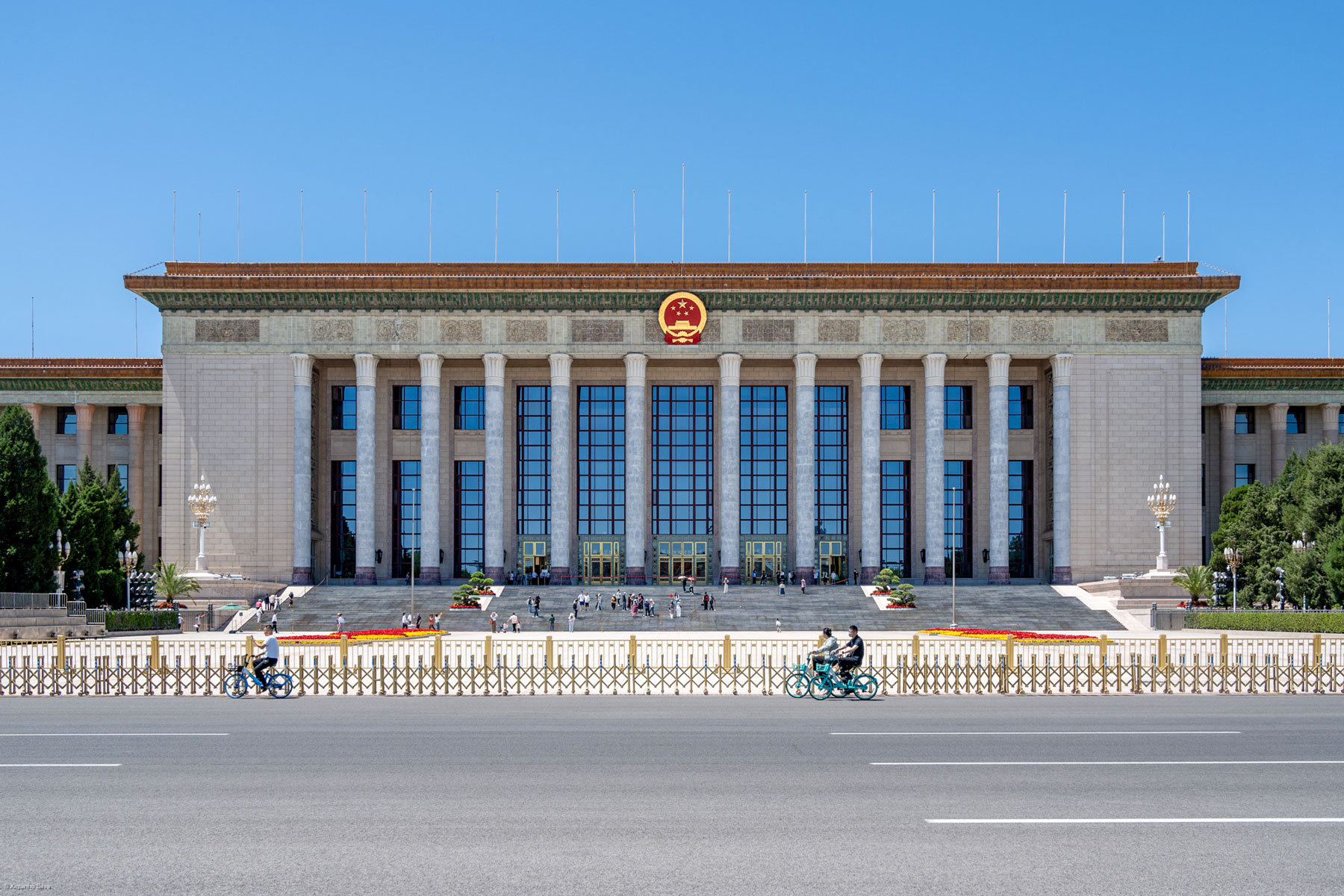
Great Hall of People on Tiananmen Square, Beijing
The Great Hall of the People, the state building is located at the western edge of Tiananmen Square in Beijing, it serves for legislative and ceremonial activities by the Chinese government and the ruling Communist Party.
Image: steheap

Political system


Political system China is a one-party socialist state led by the Communist Party of China (CPC), which has governed the country since 1949. The country’s top leader is the General Secretary of the CPC, who also serves as President and Chairman of the Central Military Commission, concentrating authority over party, state, and military. The President is the formal head of state and is elected by the National People’s Congress. The head of government is the Premier of the State Council, who leads the central government and oversees policy implementation.


Government

Note: External links will open in a new browser window.

Government of China
Official website of the State Council of the People's Republic of China. The State Council or Central People's Government is the executive body of the highest organ of state power and the highest organ of state administration in China.

Chinese Communist Party
The Communist Party of China is the sole ruling single party in the People's Republic of China, which was proclaimed in 1949. Apart from the Communist Party of China (CPC), there are eight democratic parties in China. Multi-party cooperation and political consultation under the leadership of the CPC is the basic political system in China.

National People's Congress
The highest state organ is the National People's Congress (NPC), the parliament of the People's Republic of China. The NPC formally embodies state power; its approximately 3,000 members elect the state president, the State Council, the Supreme People's Court, the Central Military Commission and the Supreme Prosecutor's Office.

Ministry of Foreign Affairs of the People's Republic of China
Official site of China's Ministry of Foreign Affairs.


Diplomatic Missions
Permanent Mission of the People's Republic of China to the UN
China is one of the five permanent members of the United Nations Security Council.
Chinese Embassy in the United Kingdom
Embassy of China in the UK.
Embassy of the People's Republic of China in the USA
Washington D.C.

China's Missions Overseas
List of Diplomatic Missions of China Abroad.

Statistics
China Statistical Information Network
Mainland China in figures.

Weather
China Meteorological Administration
Weather in China.


Maps from China


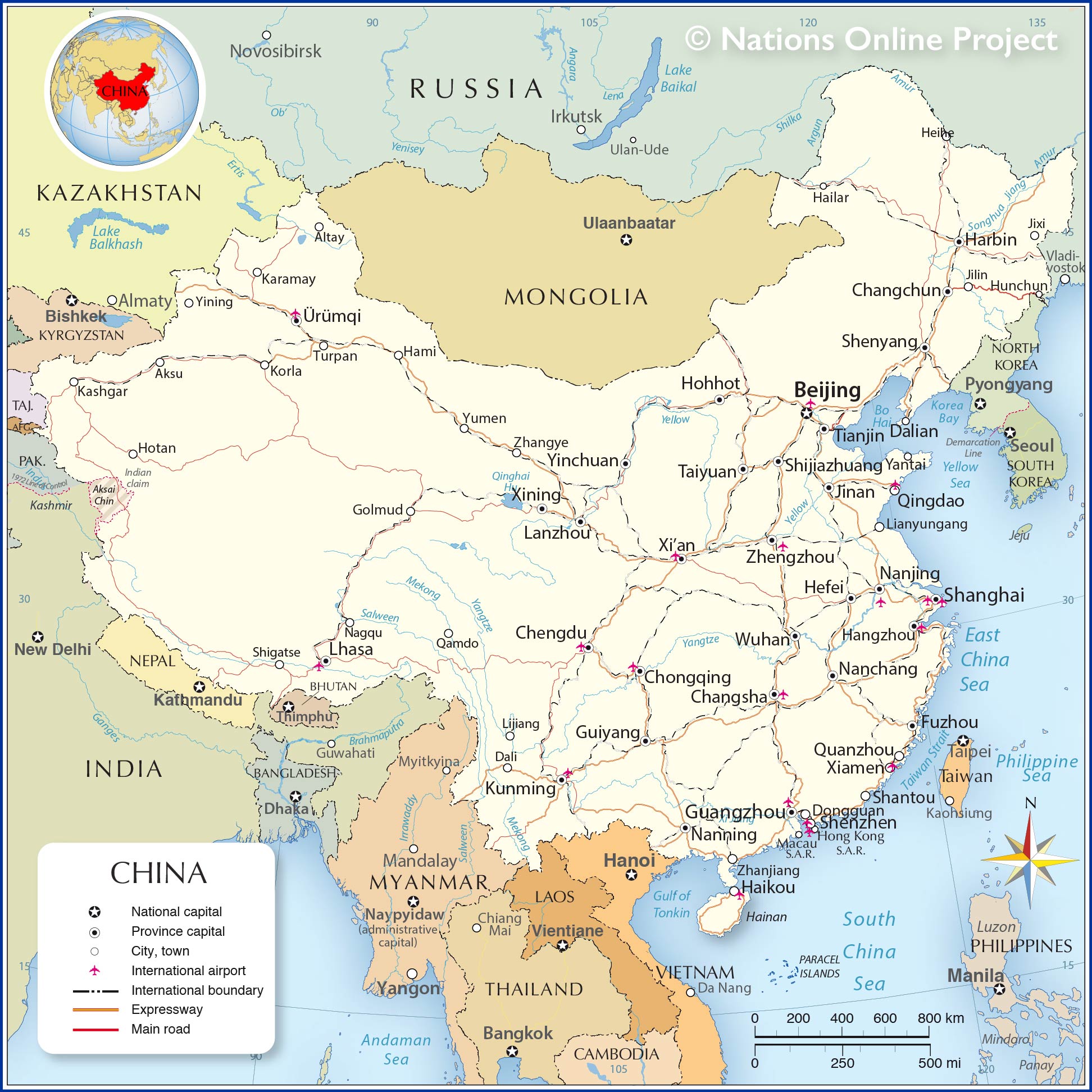
China  Map
Map of China (click map to enlarge)
Image: © nationsonline.org


Maps


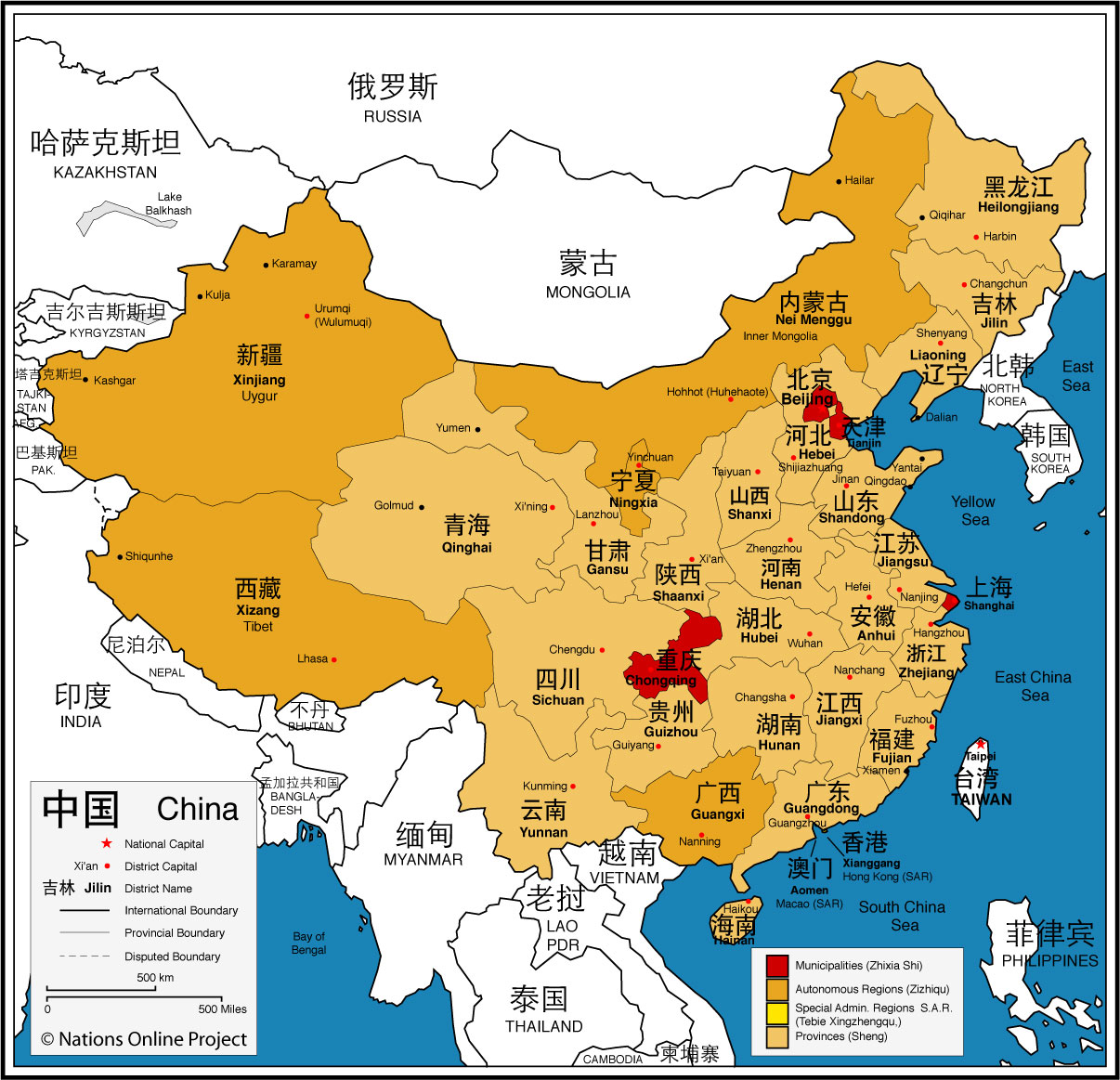
Thumb Provinces map of China
Provinces of China map.
Image: kk

Administrative Map of China
Political Map of China's Administrative Divisions.

Map of China
Political map of China.


Google Earth Google Earth China
Searchable map and satellite view of China.

Google Earth Google Earth Forbidden City, Beijing
Searchable map and satellite view of the former imperial city with a description of the buildings.
Google Earth Google Earth Great Wall of China
Searchable map and satellite view of the Chinese Wall.
Google Earth Google Earth Shanghai
Searchable map and satellite view of Shanghai.
Google Earth Satellite View of Three Gorges Dam
Searchable map and satellite view of Yangtze River and the largest hydroelectric dam in the world.

Map of the South China Sea
Map of Southeast Asia
Map of the Southeast Asia region.
profile Map of Asia
Political map of Asia.


News from China


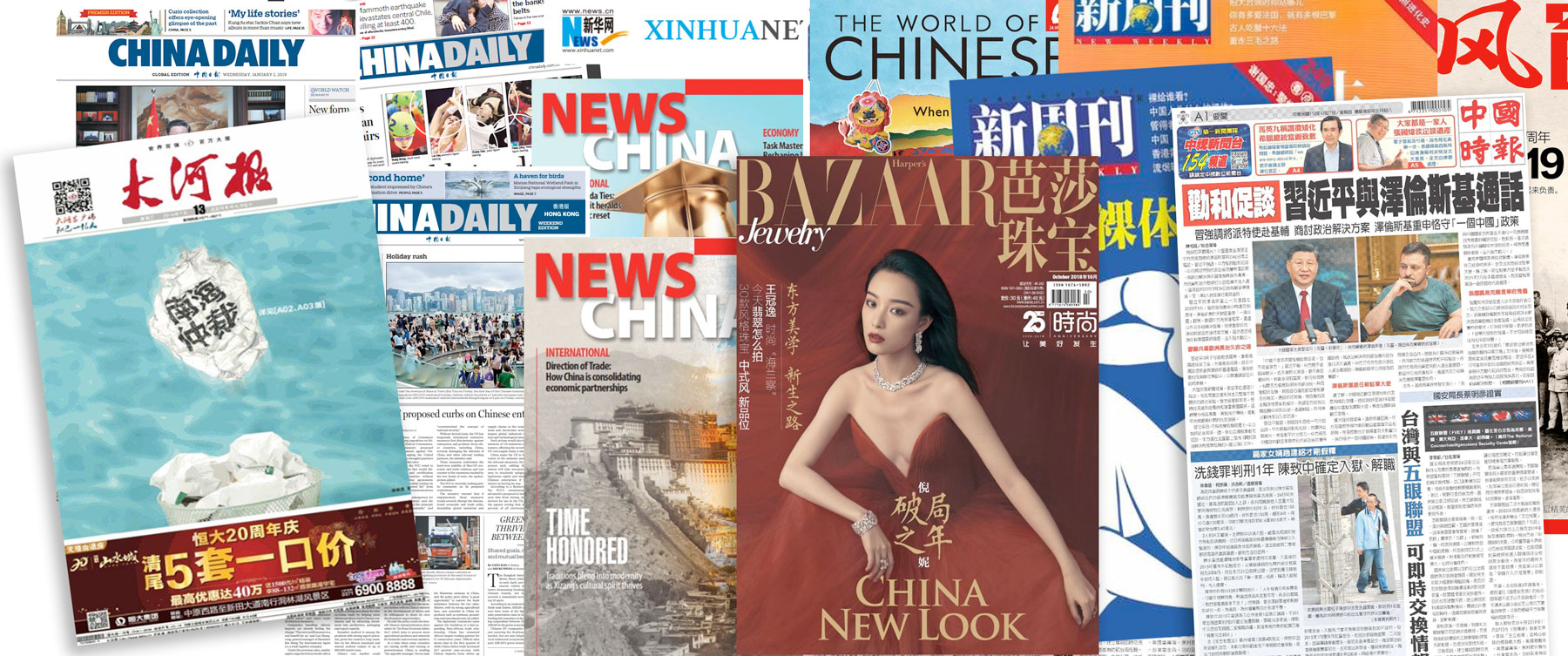
China Newsstand


Online News from China


Xinhua News Agency
China’s official state news agency and a primary source for government-approved national and international news coverage.

China Internet Information Center
China.org.cn is a state-run multilingual web portal in Beijing, providing official Chinese news, government position papers, and information on culture and politics.

China Daily
State-run English-language newspaper providing national and international news from an official Chinese government perspective.

Global Times (环球时报 - Huánqiú Shíbào)
State-affiliated newspaper focusing on international affairs and geopolitical commentary from a Chinese perspective; available in Chinese and English.

China Youth Daily (中国青年报 - Zhōngguó Qīngniánbào)
The official paper of the Communist Youth League. Founded in 1951; it is a major national newspaper covering politics, economics, and youth issues, with China Youth Online operating as its web portal.

Caixin
Respected independent business and financial news outlet known for in-depth reporting on China’s economy, finance, and corporate sector.

Sixth Tone
English-language digital publication covering Chinese society, culture, and social trends with a more feature-oriented editorial focus.

South China Morning Post (SCMP)
Hong Kong-based English-language newspaper with extensive coverage of China, Asia, and global affairs.

The Standard
Hong Kong’s English-language daily newspaper focusing on business, finance, and regional news across Greater China.


Chinese language newspapers


The top, most-circulated Mandarin newspapers include the People's Daily (Renmin Ribao), Reference News (Cankao Xiaoxi), and Guangzhou Daily.

Reference News (参考消息 - Cānkǎo Xiāoxī)
Mainland China newspaper published by Xinhua News Agency.

People’s Daily (人民日报 - Rénmín Rìbào)
The flagship newspaper of the Central Committee of the Communist Party of China (CPC) and one of the most authoritative political publications in the country.

Guangzhou Daily (广州日报 - Guǎngzhōu Rìbào)
Top-selling local Party newspaper for the Guangzhou region.

The Beijing News (新京报 - Xīn Jīngbào)
A commercial daily known for its urban and social reporting.

Guangming Daily (光明日报 - Guāngmíng Rìbào)
The newspaper focuses on intellectual, cultural, and educational affairs.

The Economic Daily (经济日报 - Jīngjì Rìbào)
A government-run newspaper with a focus on business.

The Economic Observer (经济观察报 - Jīngjì Guānchá Bào)
Influential economic-focused weekly newspaper.


Major Western media with dedicated China coverage


BBC News China

Financial Times China

The Guardian China


Wikipedia

 
List of newspapers in China
List of major Chinese newspapers.


Arts & Culture of China


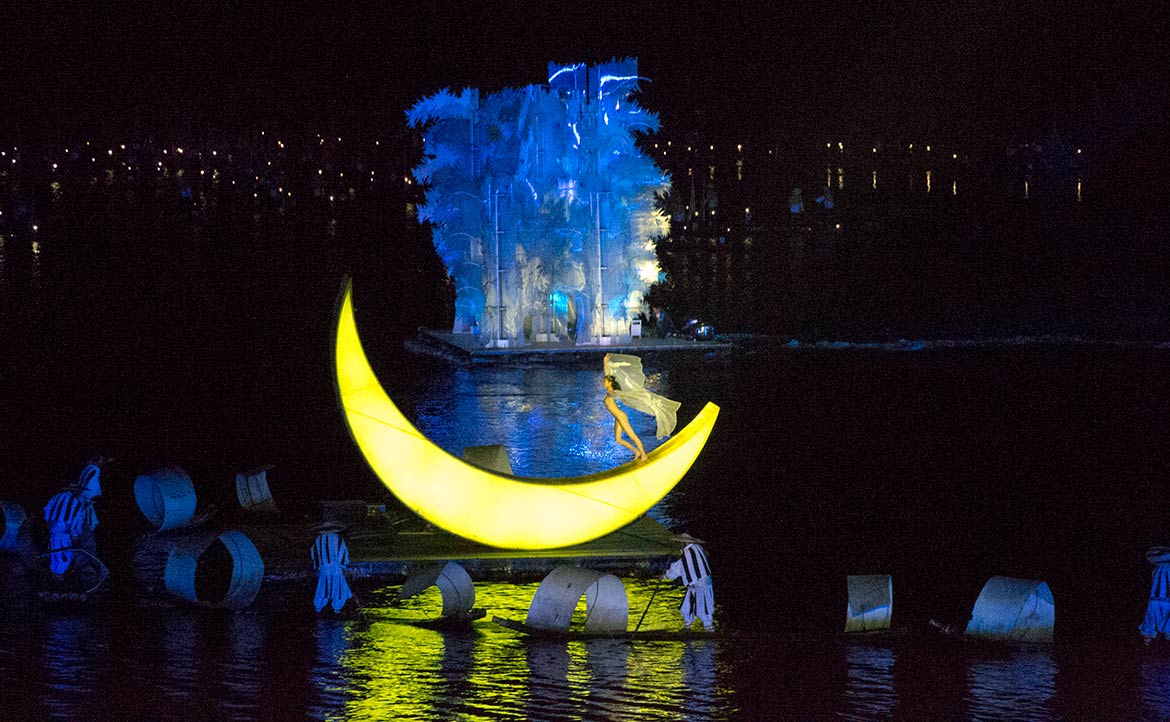
Impression Liu Sanjie, Yangshuo
Impression Liu Sanjie is a musical night light show, performed on the Li River in Yangshuo. The amazing light show is a creation of Zhang Yimou, also director and choreographer of the impressive opening ceremony for the 2008 Beijing Olympics.
Image: kk nationsonline.org


Arts & Culture


Chinese Customs and Traditions
Explanation of Chinese customs, traditions, and beliefs related to Chinese New Year (spring festival)
and other lunar festivals and holidays.

New Chinese Art
Portal to contemporary Chinese art.


Museums:

National Museum of China
The National Museum of China, located on the eastern side of Tiananmen Square in Beijing, presents the arts and history of China. It is administered by the Ministry of Culture and Tourism of the People’s Republic of China.

The Palace Museum
The former imperial palace in the heart of Beijing houses the largest collection of imperial art and architecture.

Shanghai Museum
The Shanghai Museum, situated on People’s Square in the Huangpu District, is dedicated to ancient Chinese art. Rebuilt at its current location in 1996, it is regarded as one of China’s leading modern museums.

Emperor Qinshihuang's Mausoleum Site Museum
The Mausoleum of Qin Shi Huang is world-famous for the discovery of the Terracotta Army. The tomb complex has been constructed for Qin Shi Huang, the first emperor of the Qin dynasty. The museum is located in modern-day Lintong District in Xi'an, Shaanxi.

Tianjin Museum
Tianjin Museum, the largest museum in Tianjin, exhibits important cultural and historical relics related to the city. Located in Yinhe Plaza, Hexi District, its distinctive swan-like architecture has made it one of Tianjin’s iconic landmarks.

Henan Museum
The Henan Museum in Zhengzhou is a major history and archaeology museum with more than 130,000 cultural relics. Its collection spans ancient history as well as natural history, including fossils and dinosaur remains.

The Hunan Museum
The largest history and art museum in Hunan Province.


Visual arts:

National Art Museum of China
The National Art Museum of China in Beijing is one of the country’s largest art museums and is funded by the Ministry of Culture.

The Central Academy of Fine Arts
The Central Academy of Fine Arts (CAFA) is a prestigious art academy managed by the Ministry of Education. It is among the most selective art institutions in China.

Capital Museum
The Capital Museum in Beijing houses extensive collections of porcelain, bronze, calligraphy, painting, jade, sculpture, and Buddhist statues from imperial China and other Asian cultures.

Poly Art Museum
The Poly Art Museum features thematic exhibitions on ancient Chinese bronze art from the Shang to the Tang dynasty, displaying rare bronze treasures that illustrate the development of early Chinese civilization.


Festivals


Chinese New Year
Wikipedia page about Chinese New Year, or Lunar New Year, marks the beginning of the year in the traditional Chinese lunisolar calendar. Celebrations run from New Year’s Eve to the Lantern Festival and symbolize the end of winter and the arrival of spring.

Lantern Festival
Wikipedia page about the Lantern Festival, celebrated on the fifteenth day of the first lunar month, marks the final day of Chinese New Year celebrations and dates back to the Western Han Dynasty.

Harbin International Ice and Snow Sculpture Festival
The Harbin International Ice and Snow Festival is an annual winter event in Harbin and the world’s largest ice and snow festival, famous for its monumental ice sculptures and international participation.


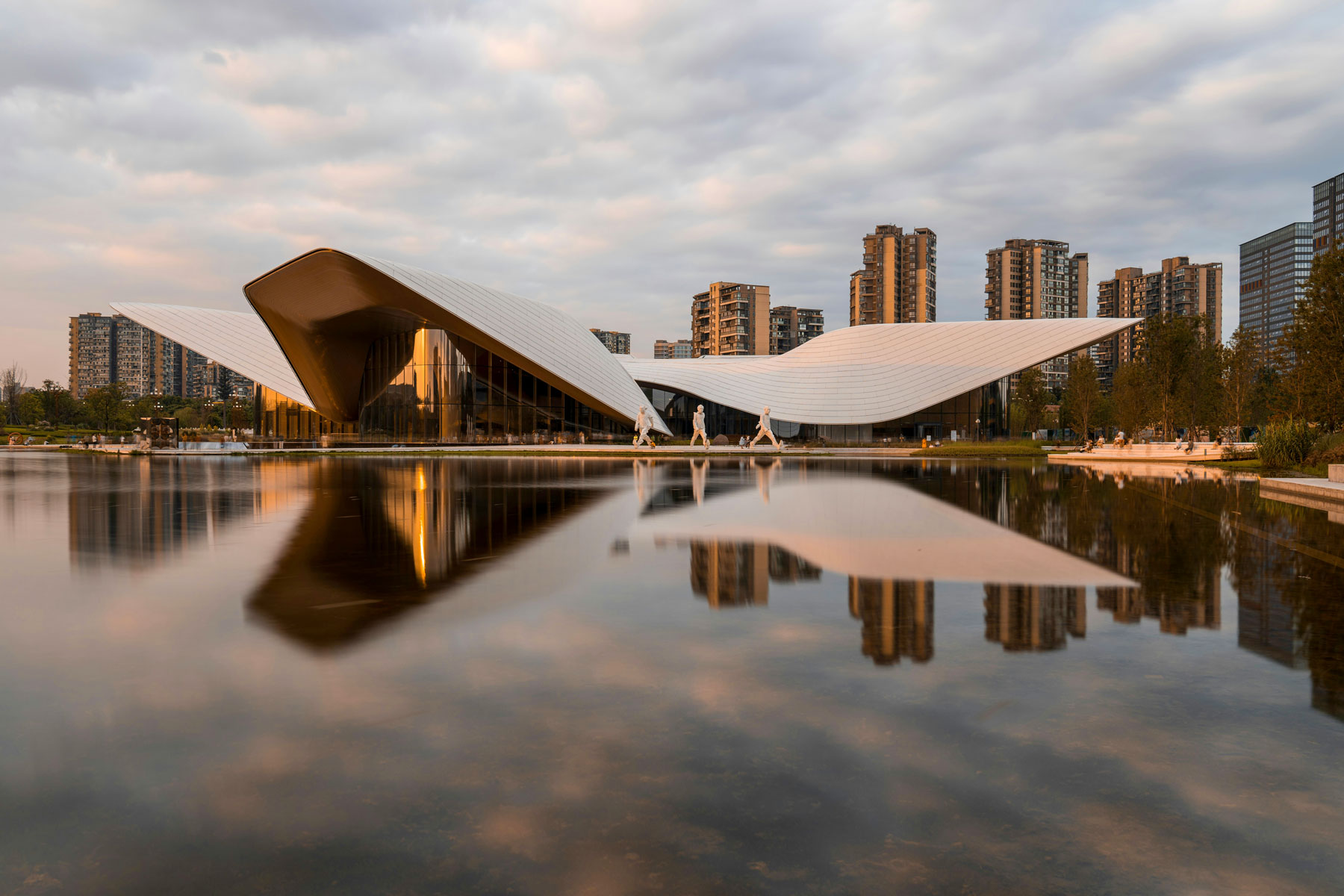
Tianfu Art Museum in Chengdu, Sichuan province.
The Tianfu Art Museum is a contemporary art museum in Chengdu, Sichuan, China.
Image: darmau


Business & Economy of China
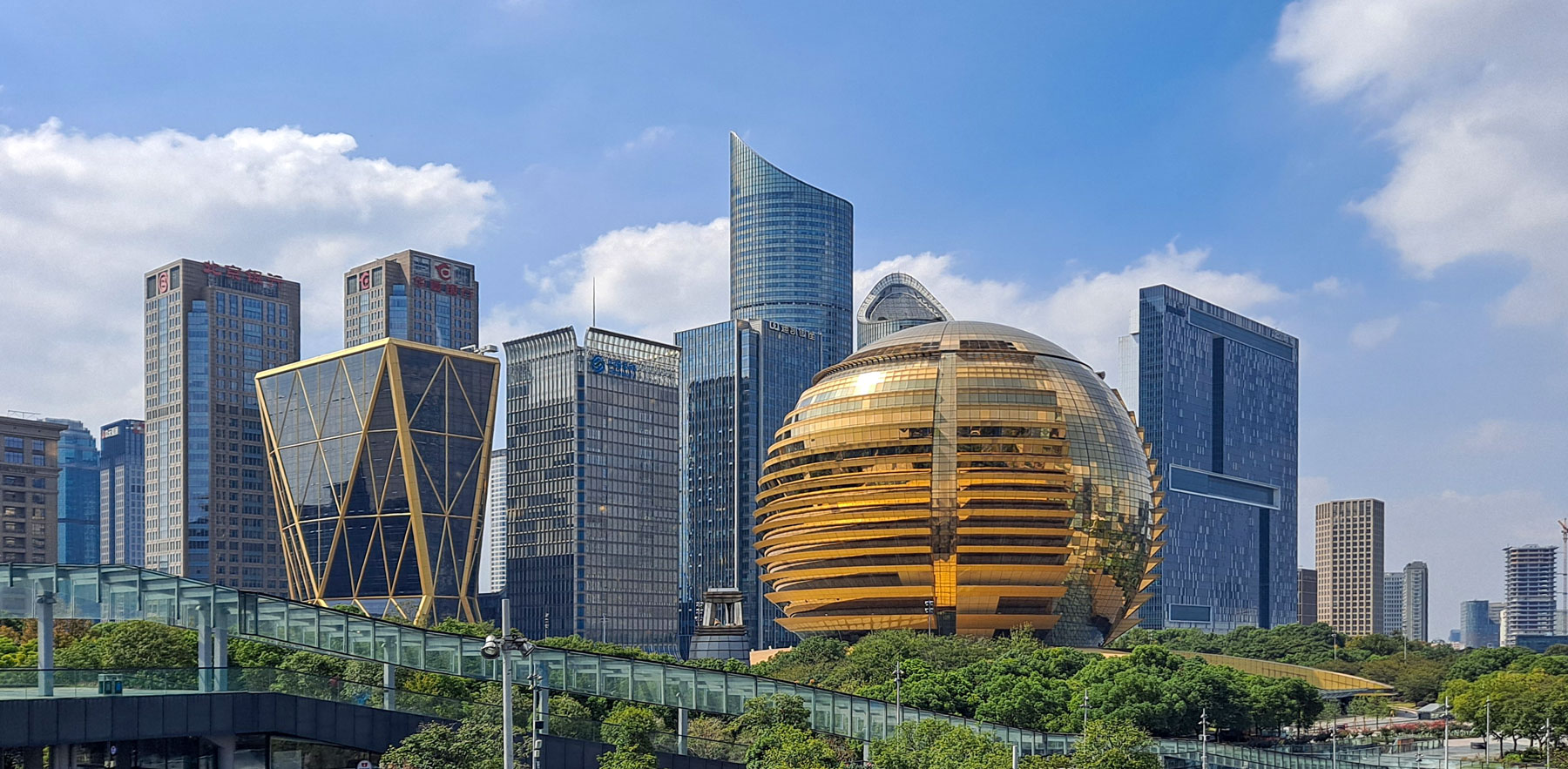

Modern skyline of Hangzhou's Qianjiang New City financial district with the Hangzhou International Conference Center and skyscrapers along the Qiantang River in eastern China.
Skyline of Qianjiang New City (钱江新城, or Qianjiang New Town), a rapidly growing financial and technology hub. It is the Central Business District (CBD) of Hangzhou, one of the "Eight Ancient Capitals of China" is located in eastern China.
Image: EditQ


Banks

The Big Four

Bank of China
The Bank of China (BOC; 中国银行) is a premier state-owned, multinational financial institution and one of China's "Big Four" banks. BOC was established in 1912, it is the oldest in China. As of 2026, it is ranked among the top four banks globally by total assets.

Industrial and Commercial Bank of China (ICBC)
The ICBC is the world's largest bank by total assets, deposits, and market value.

China Construction Bank
China Construction Bank Corporation (CCB) is a leading Chinese partially state-owned commercial bank; the primary shareholder is Central Huijin Investment Ltd. CCB is recognized as one of the "big four" banks in China and the third-largest globally by total assets.

Agricultural Bank of China
The Agricultural Bank of China (ABC), also known as AgBank, is a largely state-owned multinational banking and financial services corporation headquartered in Beijing.


Stock Exchanges

There are three stock exchanges operating independently of each other in mainland China.

Beijing Stock Exchange
The Beijing Stock Exchange (BSE) began trading in November 2021; it was created to support innovative and fast-growing small and medium-sized Chinese enterprises (SMEs).

Shanghai Stock Exchange
The Shanghai Stock Exchange (SSE) is the largest stock exchange in mainland China and among the world's largest, with a market capitalization of nearly $9 trillion. Founded in November 1990, and in operation since mid December of the same year.

Shenzhen Stock Exchange
The Shenzhen Stock Exchange (SZSE), established in December 1990, is one of mainland China's two primary stock exchanges (along with Shanghai SSE).

HKEx
The Hong Kong Stock Exchange (SEHK or HKSE) is a premier global securities market, ranked as the 6th largest globally in early 2026. The exchange is operated by Hong Kong Exchanges and Clearing Limited (HKEX).


Industry and Commerce


All-China Federation of Industry and Commerce (ACFIC)
A national organization with local branches in all provinces and autonomous regions.

China Council for the Promotion of International Trade (CCPIT)
The largest institution for the promotion of foreign trade in China.

Made-in-China.com
Information of China Products.


Major Companies in China


State Grid Corporation of China
The State Grid Corporation of China (SGCC) is a state-owned electric utility and the world’s largest utility company by revenue.

China National Petroleum Corporation
China National Petroleum Corporation is a major state-owned oil and gas company and one of the world’s largest integrated energy groups.

Sinopec Group
Sinopec Group, officially the China Petrochemical Corporation, is a huge state-owned energy and chemical company based in Beijing.

China Merchants Group
China Merchants Group (CMG) is one of China's oldest and largest state-owned conglomerates. The Hong Kong-based top-tier Fortune Global 500 company operates ports, shipping, logistics, finance, infrastructure, and industrial businesses worldwide.

China State Construction Engineering
China State Construction Engineering Corporation is the world’s largest construction company by revenue and a leading global contractor.

Huawei
Huawei is a Chinese multinational technology company headquartered in Shenzhen, producing telecommunications equipment, consumer electronics, and smart devices.

Alibaba Group
Alibaba Group is a Chinese multinational technology company specializing in e-commerce, retail, internet services, and cloud computing.

Tencent
Tencent is a Chinese multinational technology and entertainment conglomerate headquartered in Shenzhen and the world’s largest gaming company by investment.

FAW Group
FAW Group Corporation is a Chinese state-owned automotive manufacturer headquartered in Changchun, producing cars, buses, trucks, and auto parts.

COSCO Shipping
China COSCO Shipping Corporation Limited is China's largest shipping company; it was formed in 2016 through the merger of COSCO Group and China Shipping Group.


Transportation
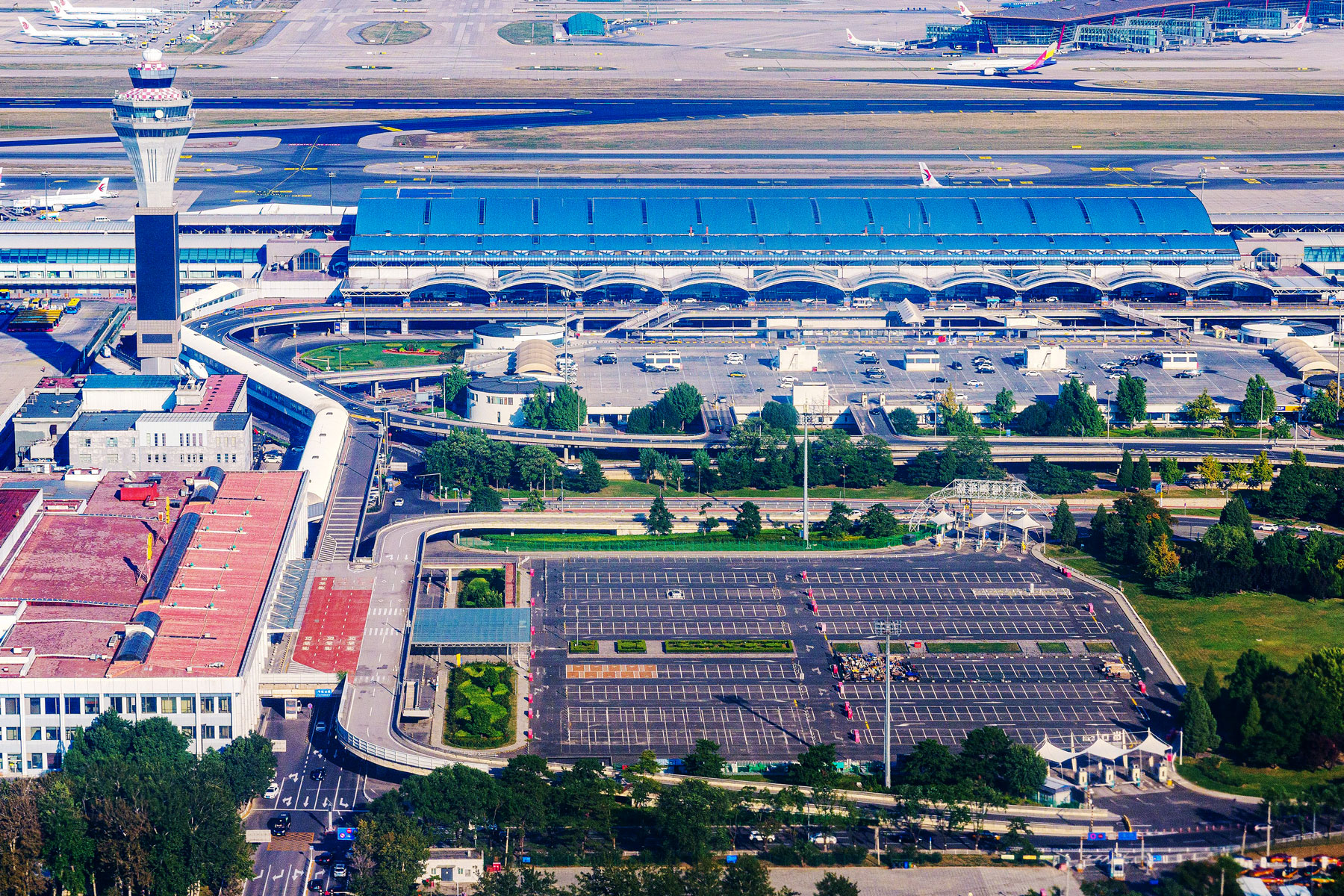
Aerial view of Beijing Capital International Airport.
Aerial view of Beijing Capital International Airport, showing terminal 1 and terminal 2.
Image: TurnOnTheNight


Airlines


The "Big Three" dominate China's commercial aviation sector:

Air China
Flagship airline of the People's Republic of China.

China Eastern Airlines
Shanghai-based Airline; offers online booking and route plans.

China Southern Airlines
China's largest airline, based at Guangzhou's Baiyun International Airport.


Other Chinese airlines:


Hainan Airlines
Largest privately-owned airline in China, headquartered in Haikou, Hainan.

Juneyao Airlines
Juneyao operates domestic and international services from both Shanghai airports.

Shenzhen Airlines
Shenzhen Airlines is a subsidiary of Air China with an extensive network in southern China.

Sichuan Airlines
Sichuan Airlines is a major western China carrier based in Chengdu.

XiamenAir
XiamenAir is an airline based in Xiamen, Fujian.


Major Airports in China


Beijing Capital International Airport (IATA: PEK)
Flight Info, Passengers Guides, and more.

Guangzhou Baiyun International Airport (IATA: CAN)
Number two of China's busiest airports.

Shanghai International Airport (IATA: PVG)
Official website of Shanghai Airport Authority for Pudong Airport and Hongqiao Airport.

Shenzhen Bao'an International Airport (IATA: SZX)
Airport of the 'Special Economic Zone' city Shenzhen, located immediately north of Hong Kong.

Chengdu Shuangliu International Airport (IATA: CTU)
Main airports serving Chengdu, the capital of Sichuan province.


Ports

China's major ports form a network of giant, state-backed regional systems—separately operated but tightly interconnected—moving vast volumes of global trade through specialized coastal hubs.

Port of Ningbo-Zhoushan
Ningbo Zhoushan Port owns and operates most of the large and super-large deepwater berths in Mainland China.

Shandong Port Group (SPG)
Shandong Port Group is a provincial state-owned mega port operator, created in 2019 by merging major ports of Shandong Province—Qingdao Port, Rizhao Port, Yantai Port, and Bohaiwan Port. SPG is one of the world's largest port operators by cargo volume.

Shanghai Port
Shanghai is the world's busiest container port. Shanghai International Port (Group) Co., Ltd. (SIPG) is the exclusive operator of all public terminals in the Port of Shanghai.

Port of Shenzhen
The Port of Shenzhen refers to a series of port facilities located along the coast of Shenzhen in Guangdong Province. These ports form one of the busiest and fastest growing container ports in the world.


Ferries

China-Japan International Ferry
The Official website of the International Ferry China-Japan.


Rail

China has one of the largest railway networks in the world, second only to the United States. The rail network spans more than 165,000 km (102,500 mi). The country also operates the world's largest high-speed rail network, with a total length exceeding 50,400 km (31,320 mi).

China Railway
Official website of China State Railway Group Co. Ltd., the state-owned rail transport operator.


Automotive


The automotive industry in China has been the largest in the world measured by automobile unit production since 2008. China produced approximately 34.5 million vehicles in 2025, a new record.


SAIC Motor
SAIC Motor Corporation Limited is a leading Chinese state-owned automotive manufacturer and one of the country’s largest producers of cars, motorcycles, and auto parts.

BYD Auto
BYD (Build Your Dreams) is the market leader in New Energy Vehicles (NEVs - BEVs and PHEVs) and overall best-selling brand.

FAW Group
First Automotive Works is a Chinese state-owned automobile manufacturer headquartered in Changchun, Jilin.

Dongfeng Motor Corporation
Dongfeng Motor Corporation is a major Chinese state-owned automotive group producing trucks, buses, passenger cars, engines, and vehicle components.

China FAW Group
China FAW Group (First Automotive Works) is a state-owned Chinese manufacturer of motor vehicles and engines, based in Changchun.

Chongqing Changan Automobile Company
Chongqing Changan Automobile Co., Ltd. is a state-owned Chinese car manufacturer producing passenger vehicles, microvans, commercial vans, and light trucks.

Gigafactory Shanghai (Tesla)
The Tesla Shanghai Super Factory is an automobile manufacturing plant in Shanghai, China, operated by Tesla, Inc. It is the first facility fully owned by a foreign carmaker in China.
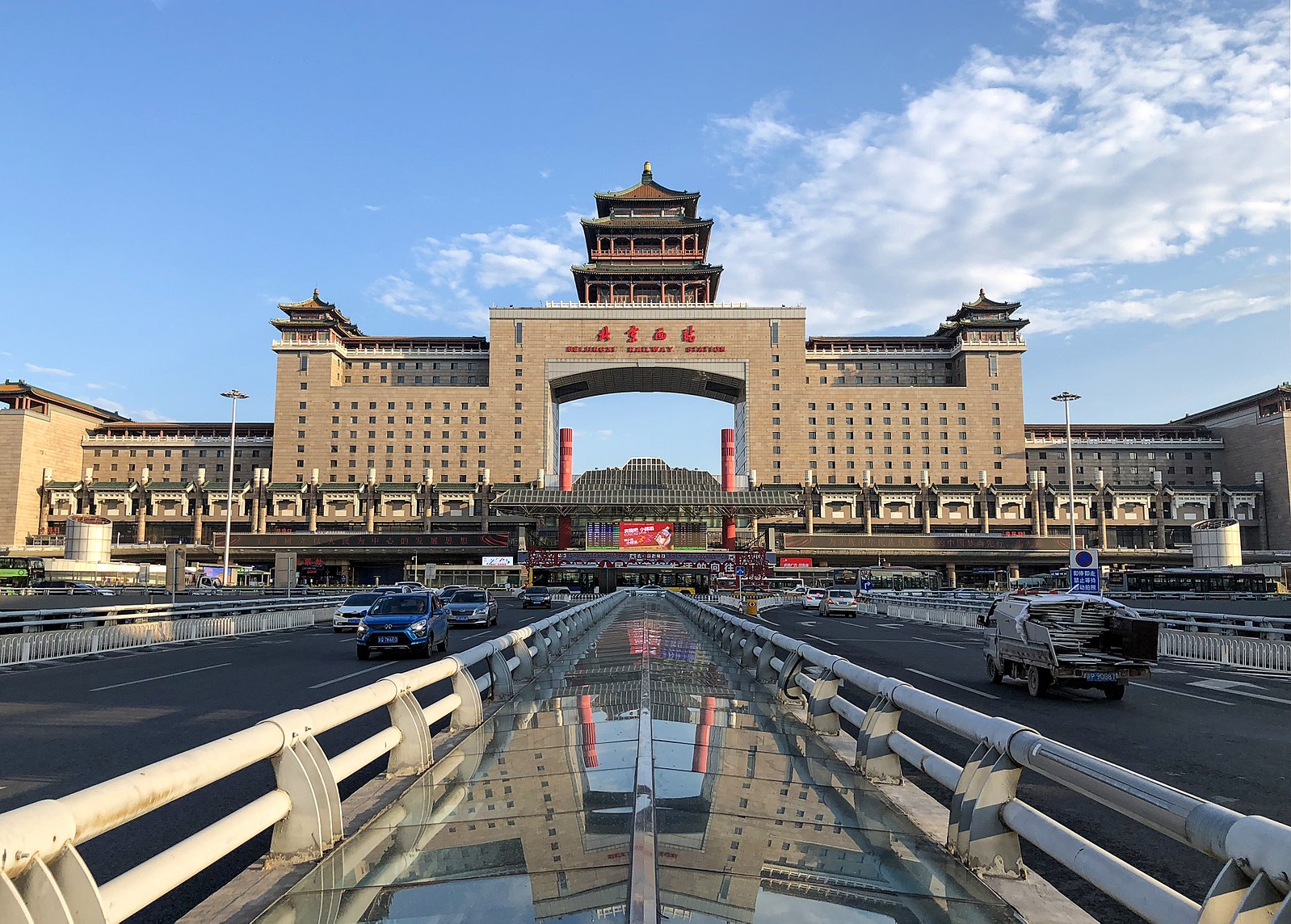

Beijing west railway station
Beijingxi (Beijing West) railway station, one of the busiest transport hubs in Asia.
Image: N509FZ


 

Tourism in China


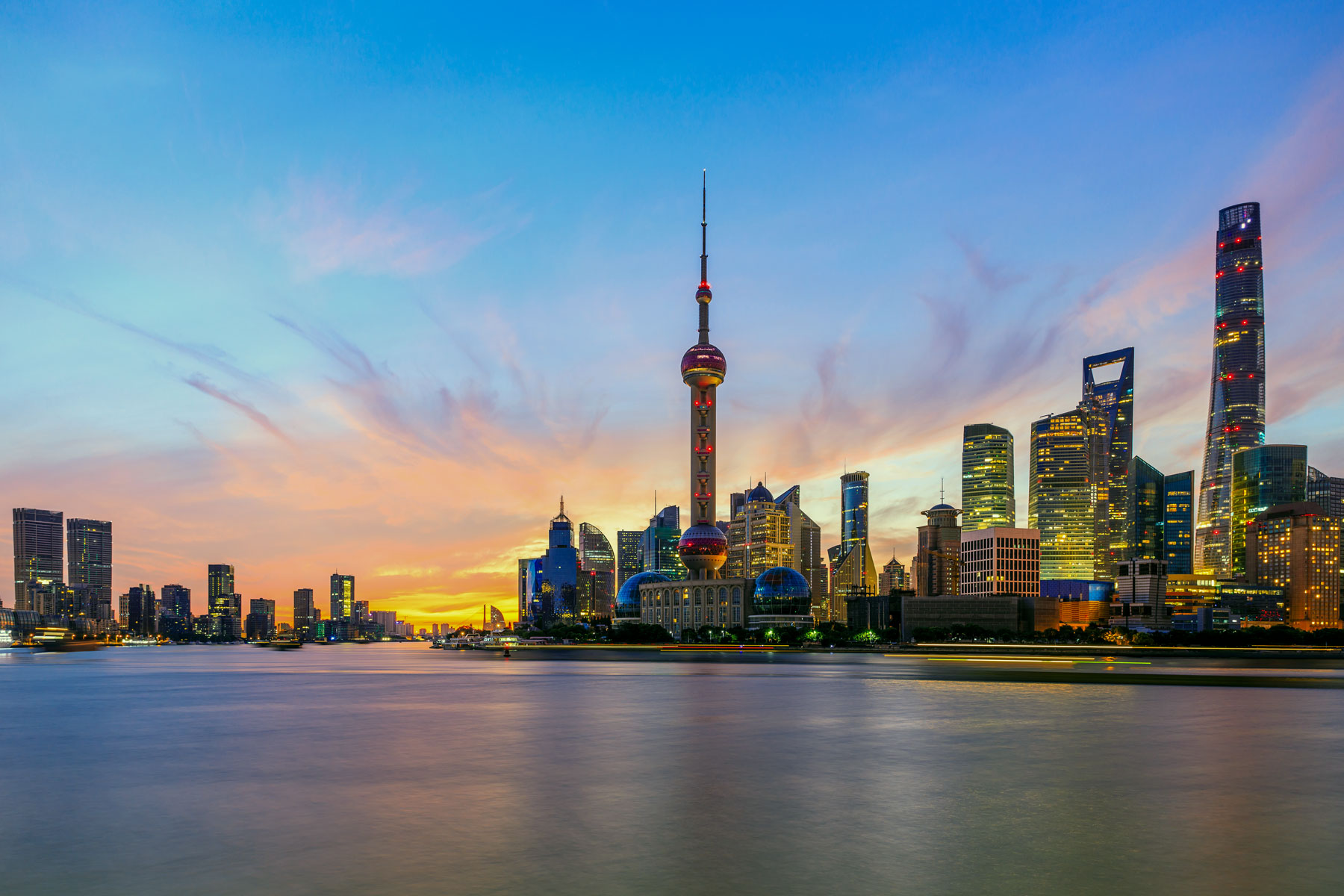
Shanghai skyline with Oriental Pearl Tower at dusk.
The Pudong skyline in Shanghai at sunset. Shanghai is China's most populous urban area and a major global financial and tourism hub.
Image: zhao dongfang


Destination China - Travel and Tour Guides


Advertisement

China National Tourist
Office Provides travel and tourism information on China for U.S. audiences, including destination guides and travel resources.

Provincial and Regional Tourism Administrations

Hebei Provincial Government
Government portal providing regional travel information, including access to the eastern section of the Great Wall.

Hubei Tourism Bureau
Tourism information on Hubei province, including Wuhan and the Three Gorges region.

Tibet Tourism Bureau
Official travel guide to the Tibet Autonomous Region with information on permits, culture, and major sights.

Yunnan Provincial Department of Culture and Tourism
Travel information on Yunnan province and the Greater Mekong region, highlighting Lijiang, Dali, and ethnic diversity.

Zhejiang Provincial Government
Official regional portal with travel information on Zhejiang, including Hangzhou and West Lake.


Other Travel Related Sites
China Today
Information on the People's Republic of China (P.R.C.)

Discover Yangtze
Yangtze river cruises.


Wikivoyage China
Wikivoyage page about tourism in China.

Wikivoyage Guangdong
Wikivoyage page about tourism in Guangdong.

Wikivoyage Guangxi
Wikivoyage page about tourism in Guangxi.

Wikivoyage Shandong
Wikivoyage page about tourism in Shandong.

Wikivoyage Sichuan
Wikivoyage page about tourism in Sichuan.


City Guides

Beijing Municipal Government
Official city portal providing information on administration, culture, and tourism in China’s capital.

Travelling in Beijing Official
English-language travel portal of the Beijing Municipal Government providing practical information for visitors, including visa-free transit policies, travel tips, transportation guidance, and essential services for foreign tourists planning a stay in Beijing.

Shanghai
The official website of the City of Shanghai with information on administration, culture, economy, and major city services.

Shanghai Tour
The official Shanghai tourism guide with information on attractions, events, transportation, and visitor services.


What is China known for?


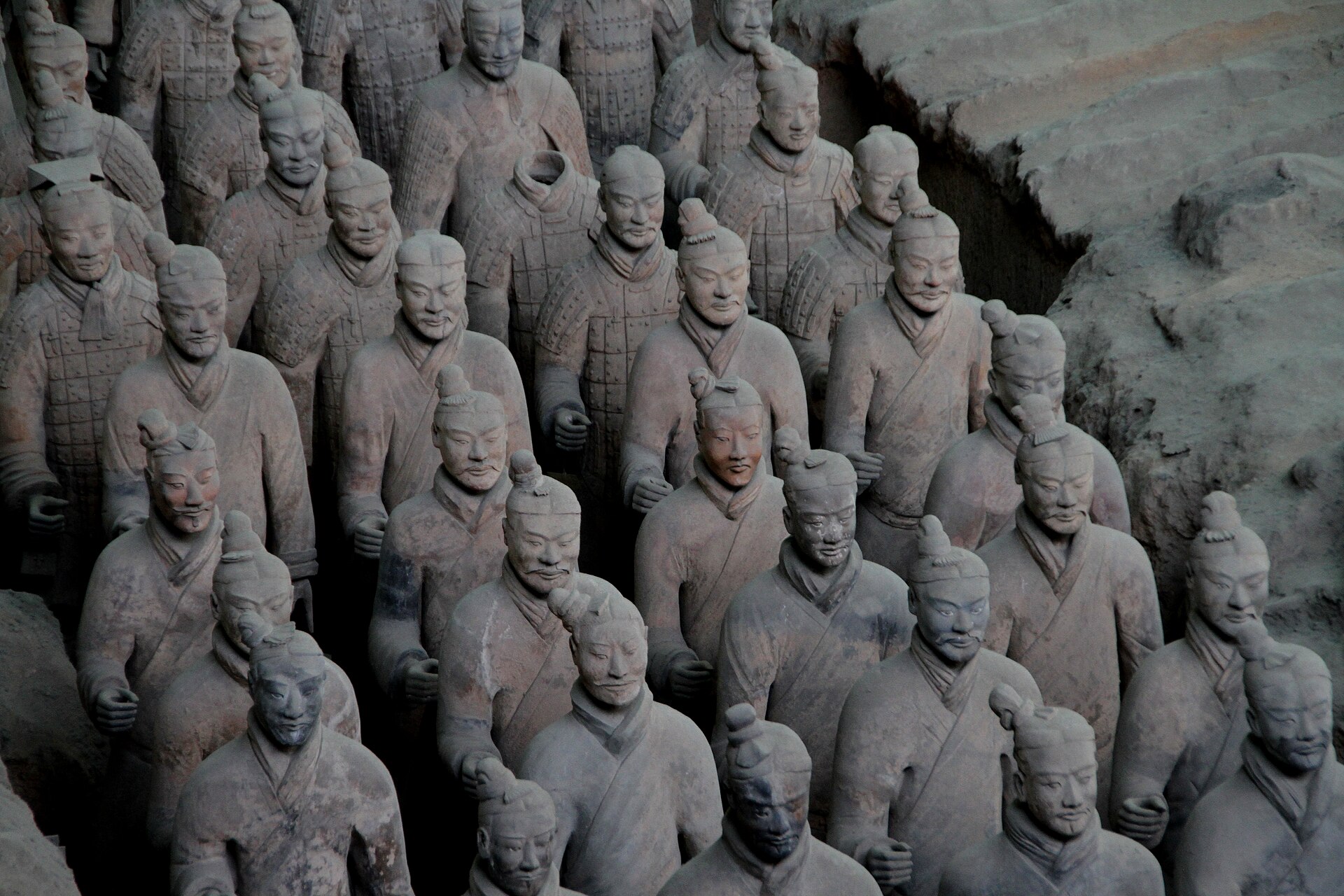
Terracotta Soldier figures showing individual faces and armor details.
Detailed life-sized Terracotta Warriors from the Qin Dynasty in Xi'an.
Image: Gerd Eichmann


Key Aspects:
China is famous for its ancient civilization, vast landscapes, and global cultural influence. Here are some key aspects for which China is well-known:

Great Wall of China: One of the most iconic landmarks in the world, the Great Wall stretches thousands of kilometers across northern China and symbolizes the country’s long history and architectural achievements.

Ancient Civilization and History: China is one of the world’s oldest continuous civilizations, with a history spanning over 4,000 years, including influential dynasties such as the Qin, Han, Tang, and Ming.

Chinese Cuisine: Chinese food is renowned worldwide for its diversity and regional variety, including well-known styles such as Sichuan, Cantonese, and Beijing cuisine, as well as dishes like dumplings, noodles, and Peking duck.

Terracotta Army: The Terracotta Army in Xi’an, a vast collection of life-sized clay soldiers buried with China’s first emperor Qin Shi Huang, is one of the most significant archaeological discoveries in the world.

Megacities: China is home to some of the world’s largest and most dynamic cities, including Beijing, Shanghai, and Shenzhen, known for their rapid development, skyline architecture, and economic power.

Pandas: The giant panda, native to China, is a global symbol of wildlife conservation and is mainly found in the mountain forests of Sichuan province.

Silk and the Silk Road: China was historically famous for silk production and trade along the Silk Road, an ancient network of routes that connected China with Europe and the Middle East.

Traditional Culture and Philosophy:
China has deeply influenced global thought through philosophies such as Confucianism, Taoism, and Buddhism, as well as through traditional arts like calligraphy, painting, and opera.

Technological Innovation: Ancient China is known for major inventions such as paper, printing, gunpowder, and the compass, while modern China is a global leader in manufacturing, technology, and infrastructure.

Yangtze and Yellow Rivers: The Yangtze and Yellow rivers are central to China’s geography and history, often referred to as the cradle of Chinese civilization. The Great Wall of China winding across the mountainous landscape of northern China, one of the most famous UNESCO World Heritage Sites and a symbol of the country’s imperial past.


A few more facts...

Largest Population: China is the second most populous country in the world, with a population of over 1.4 billion people.

World Heritage Sites: China has one of the highest numbers of UNESCO World Heritage Sites, including the Forbidden City, the Great Wall, and the Mogao Caves.
High-Speed Rail Network: China operates the world’s largest high-speed rail network, connecting major cities across vast distances.

Chinese Language: Mandarin Chinese is the most spoken native language in the world, using a logographic writing system with thousands of characters.

Festivals and Traditions: Major festivals such as the Chinese New Year and the Mid-Autumn Festival are celebrated with long-standing customs, family gatherings, and traditional foods.

Martial Arts: China is the birthplace of many martial arts traditions, including Kung Fu and Tai Chi, which combine physical training with philosophical principles.

Tea Culture: Tea originated in China and remains an essential part of daily life and social tradition, with famous varieties such as green tea, oolong, and pu-erh.

Economic Powerhouse: China is one of the world’s largest economies and a major global manufacturing and export hub.

Calligraphy and Writing: Chinese calligraphy is considered a major art form and reflects the aesthetic and intellectual traditions of Chinese civilization.

Space Program: China has developed an advanced space program, including lunar missions and its own space station, Tiangong.


UNESCO World Heritage Sites


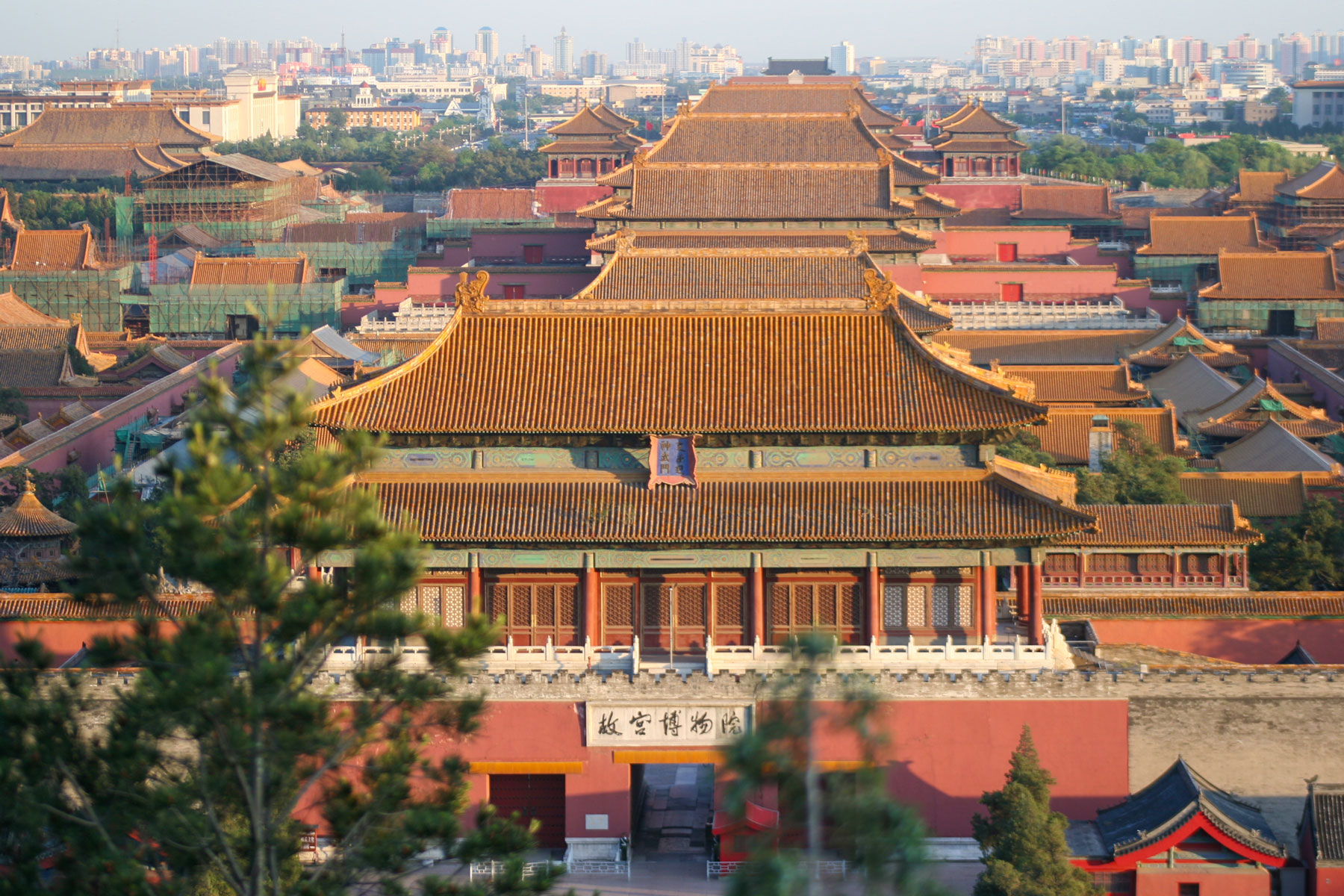
A view along a detailed red and gold corridor with open doors in the Forbidden City.
The golden-tiled roofs of the Forbidden City, a center-piece of China's UNESCO World Heritage sites.
Image: Kirk Siang
 

UNESCO World Heritage Sites in China
There are 56 UNESCO World Heritage Sites in China, 28 cultural and 14 natural sites, plus 4 mixed. Additionally, 60 properties are listed in UNESCO's Tentative List, an inventory of those properties which each state party intends to consider for nomination. (see the List of UNESCO World Heritage Sites in China ).

The following links lead to a detailed description of the respective World Heritage Site at UNESCO.

World Heritage Site Imperial Palaces of the Ming and Qing Dynasties in Beijing and Shenyang
The Forbidden City in Beijing was the seat for the Chinese emperors for over five centuries (1416-1911/12).

World Heritage Site Mausoleum of the First Qin Emperor
The famous terracotta warriors in Xi'an, Shaanxi province of China.

World Heritage Site Mogao Caves
500 Chinese Buddhist grottoes carved into the cliffs above the Dachuan River, the caves are famous for their 2,000 statues and wall paintings, for centuries they played a decisive role in artistic exchanges between China, Central Asia, and India.

World Heritage Site The Great Wall
The Great Wall of China, starting in 220 B.C., under Qin Shi Huang, sections of earlier fortifications were joined together to form a united defense system against invasions from the north.


Education in China


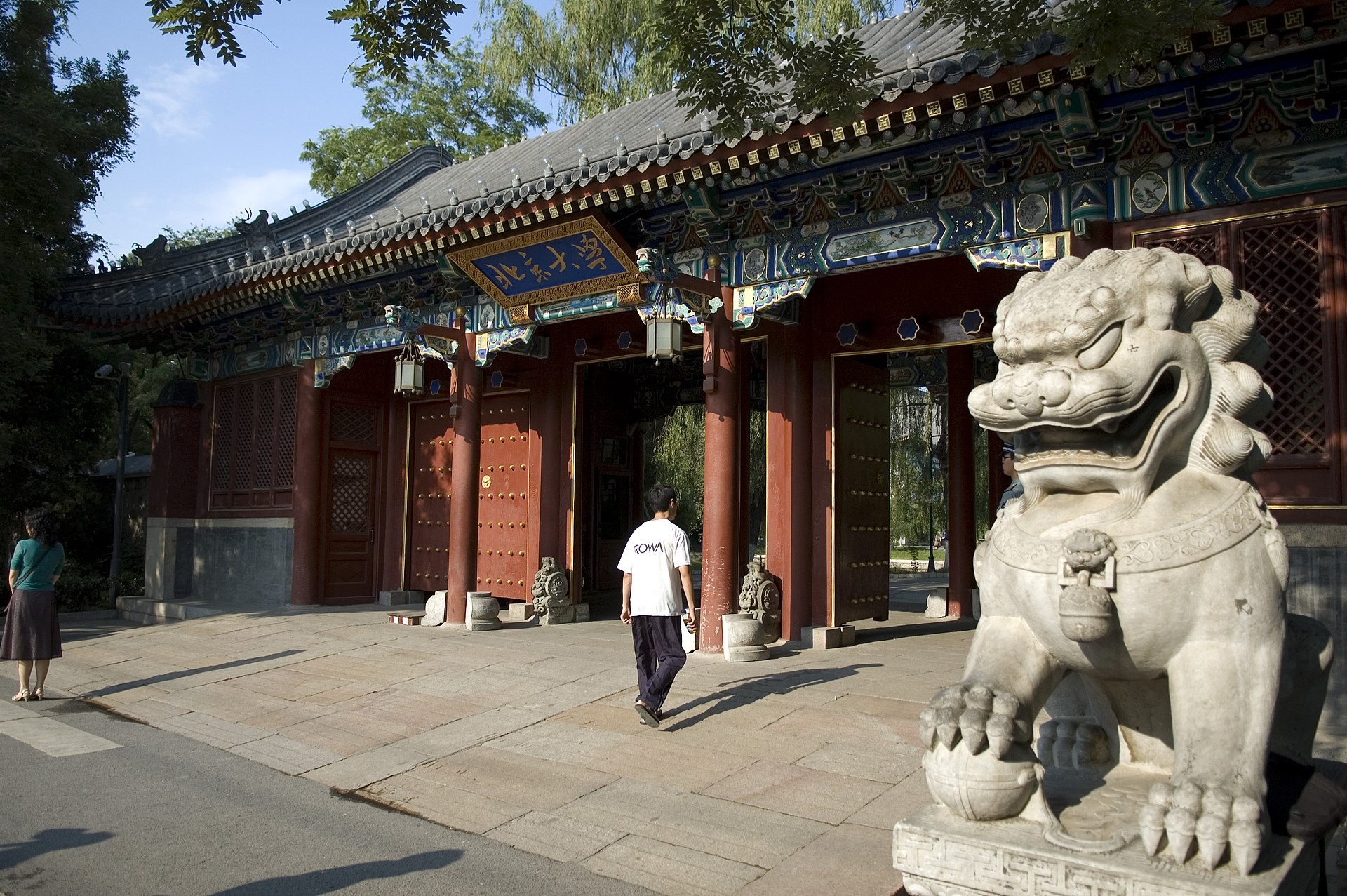
A side view of the traditional red gate at Peking University with a stone lion statue.
The West Gate of Peking University, featuring a traditional stone guardian lion.
Image: galaygobi


Universities

Beijing University
Peking University sometimes called Bei Da, is the National key university, the former "Metropolitan University" of the Qing Dynasty, opened in December 1898.

Nan Kai University
The former Nankai School changed 1919 to Private Nankai University, Tianjin.

Northeastern University (NEU)
Located in Shenyang of Liaoning Province, founded in 1923.

Southeast University
National Central University, founded 1902.

Tianjin University
The first university in the history of modern Chinese education was founded in 1895.

Tsinghua University
State key university, established 1911 as "Tsinghua Xue Tang", Beijing.

Xiamen University
Founded in 1921.


National Library

Zhong Guo Guo Jia Tu Shu Guan
The National Library of China holds the largest collection of Chinese books in the world.
 
China Education and Research Network
A very comprehensive site by the Ministry of Education about Education in China.


Language

Learning Chinese Online
Essential list to sites needed to learn Chinese, provided by Tianwei Xie.

Chinese dictionaries
MDBG free online Chinese-English dictionary
The website is not just a dictionary, it offers various tools such as flashcards, quizzes, text annotation, Chinese text input, and more.

Chinese Tools
English-Chinese online dictionary and Chinese language tools.


 Chinese Country Names
List of Chinese Names for foreign countries in Simplified Chinese (Unicode) and Pinyin spelling.

Pinyin
pin=spell yin=sound. In 1979, the Chinese Government officially adopted the pinyin romanization scheme for spelling Chinese names and places in Roman letters, it replaces formerly used spellings like the Wade-Giles romanization system.

Pinyin.info
A guide to the writing of Mandarin Chinese in romanization.
Pinyin
Chinese Culture: Mandarin - A short course on the pinyin romanization system by Qi Journal.


Environment & Nature


A vibrant blue alpine lake surrounded by lush green mountains under a sunny sky.
The crystal-clear turquoise waters of Jiuzhaigou Valley, a premier natural sanctuary in Sichuan.
Image: Jean-Marie Hullot


Ministry of Ecology and Environment
The official website of the Ministry of Ecology and Environment

China Clean Energy Program (CCEP)
Natural Resources Defense Council program encouraging clean power, green buildings, and sustainable transportation. Includes research publications, progress reports, and photos.

China Green Foundation
The China Green Foundation is a nationwide public foundation focused on environmental conservation and restoration.

China Three Gorges Project
Official website of the China Yangtze Three Gorges Project, until now the largest hydropower-complex project ever built in the world.


China History


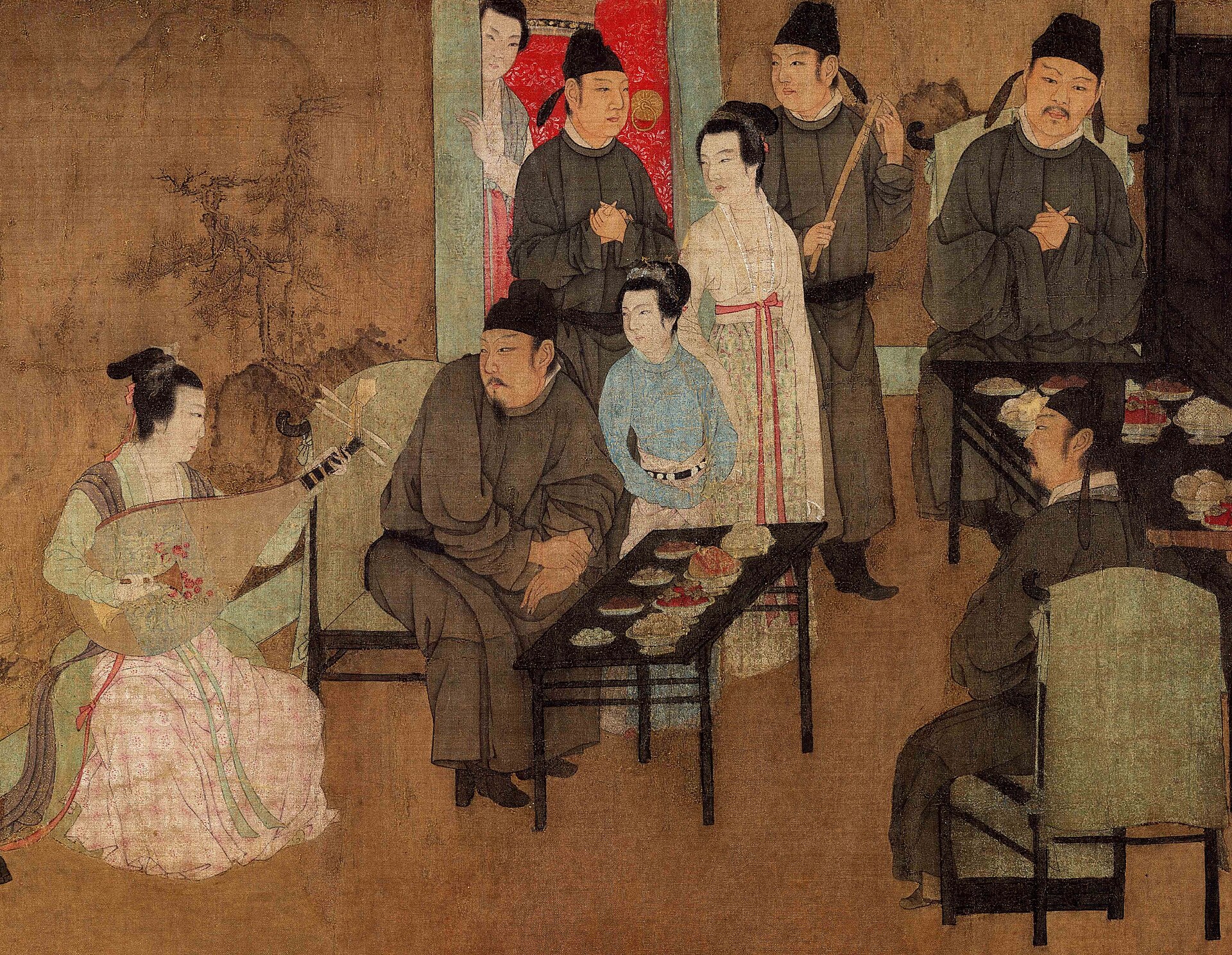
picture: The Night Revels of the Minister Han Xizai.
"The Night Revels of the Minister Han Xizai", a 10th-century masterpiece by Gu Hongzhong, depicting imperial court life.
Painting: Gu Hongzhong (937-975)


Brief Chinese Chronology
China National Tourist Office articles about the dynasties that have shaped China's history.

BBC China profile - Timeline
A chronology of key events.

History of China
Wikipedia entry for China's history.

China History
China history by Nationsonline.


Additional Information


Selected country profiles of China published by international organizations.


Advertisement

Amnesty International: China
Amnesty International is a non-governmental organization focused on human rights.

BBC Country Profile: China
Country profiles by the British public service broadcaster.

BTI Transformation Index China
China Country Report 2020 by Bertelsmann Stiftung.

FAO: China
UN Food and Agriculture Organization.

Freedom House: China
The U.S. government-funded non-profit organization whose goal is to promote liberal democracies worldwide.

GlobalEDGE: China
China ranking by the Global business knowledge portal.

The Heritage Foundation: China
Index of Economic Freedom by The Heritage Foundation, an American conservative think tank.

Human Rights Watch: China
HRW conducts research and advocacy on human rights.

OEC: China
The Observatory of Economic Complexity provides the latest international trade data.

Reporters Without Borders: China
RSF (Reporters sans frontières) is an international NGO that defends and promotes media freedom.

Wikipedia: China
Wikipedia's China page in many languages.

World Bank Data: China
World Development Indicators database.


Other Countries in South and Central Asia:
AfghanistanBhutan | India | Iran | Kazakhstan | Kyrgyzstan | Maldives
Nepal | Pakistan | Sri Lanka | TajikistanTurkmenistan | Uzbekistan
  
Major Cities in South and Central Asia
Chandigarh, Chennai, Colombo, Dhaka, New Delhi, Islamabad, Karachi, Kathmandu, Kolkata,
Lahore, Male, Mumbai, Thimphu