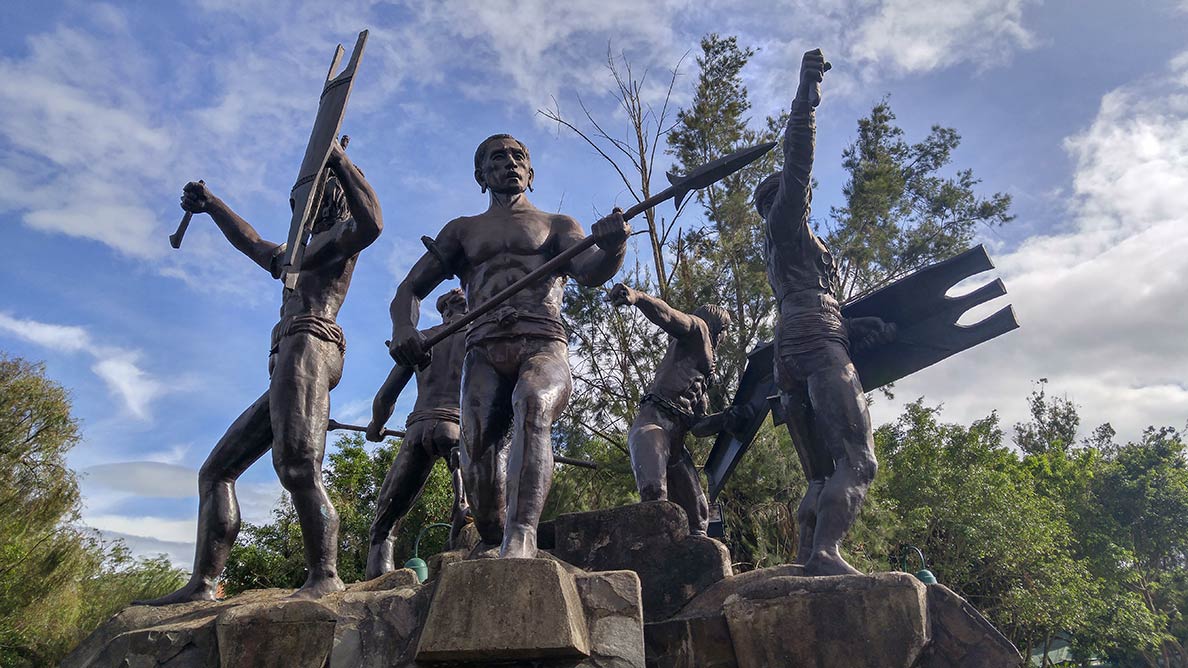
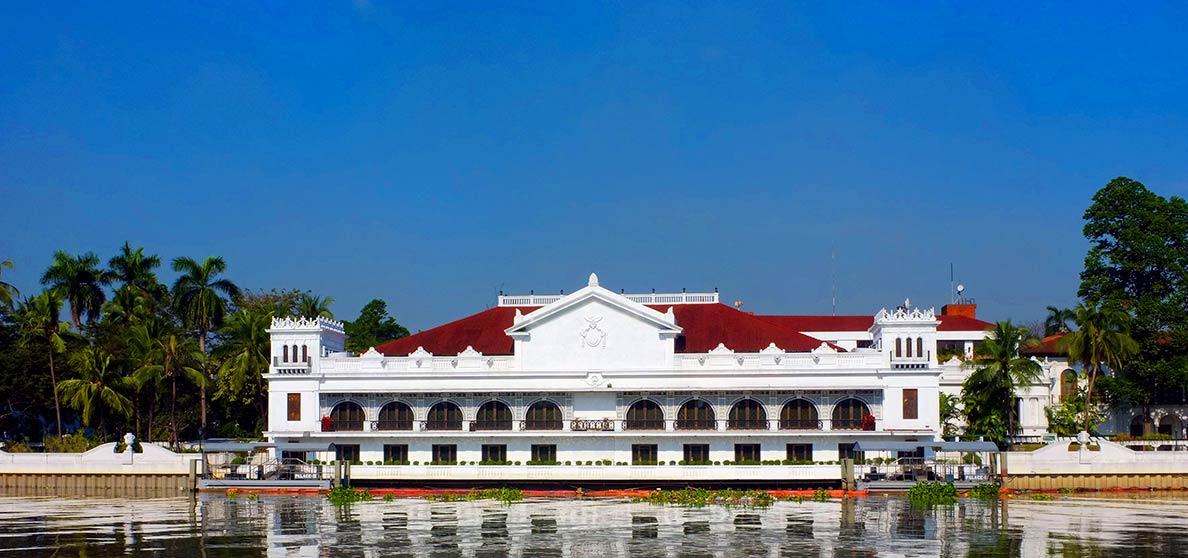
(population: 1.8 million; Manila is part of a much larger metropolitan area with an estimated population of 13 million people (in 2020).
Other Cities:
Quezon City (3 million), Davao City (2.5 million);
Cebu City (0.7 million)
Government:
Type: Republic
Independence: 12 June 1898 (from Spain)
Constitution: 2 February 1987, effective 11 February 1987
Geography:
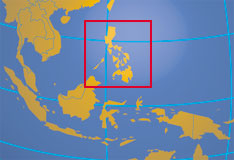
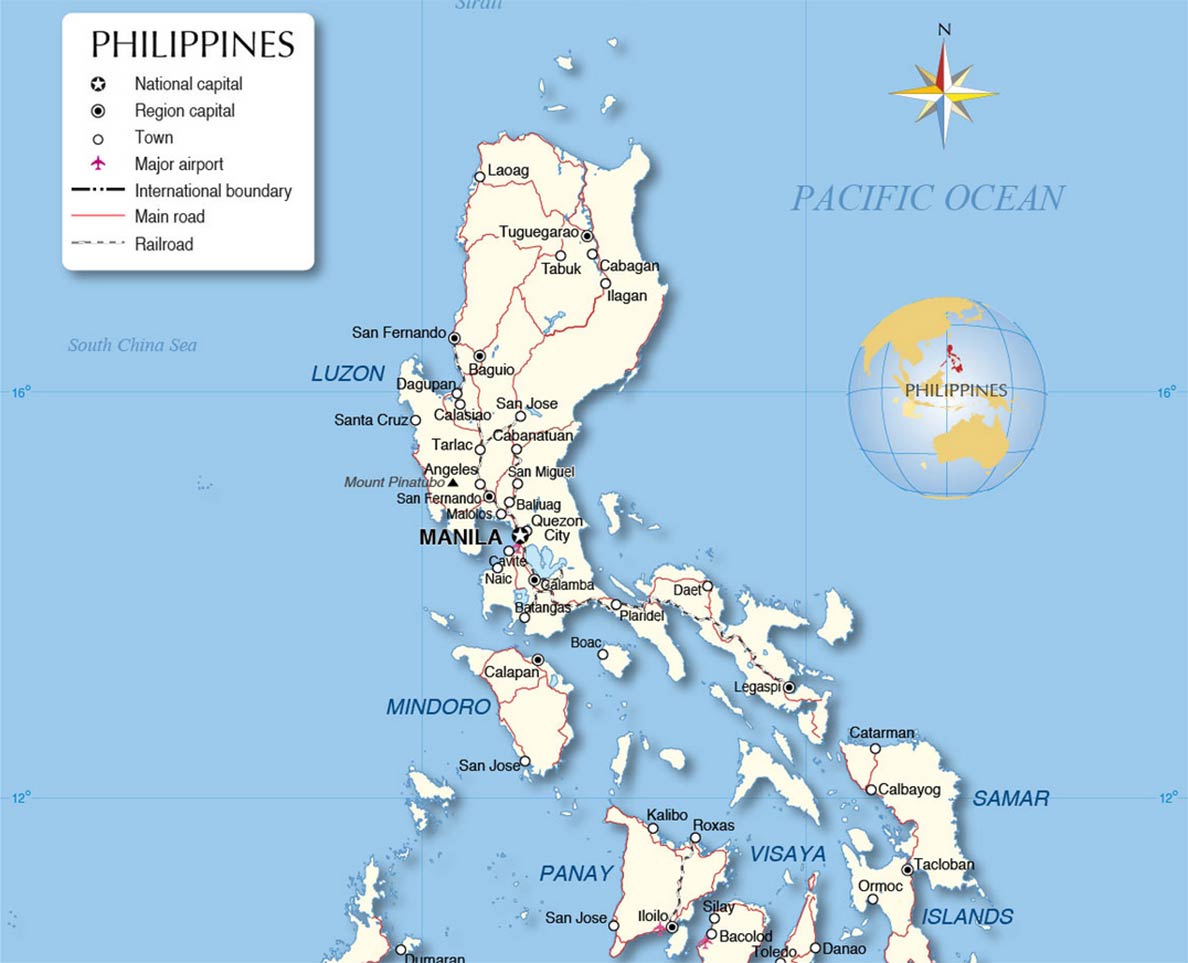
Location: Southeastern Asia, archipelago between the Philippine Sea and the South
China Sea, east of Vietnam.
Area: 300,000 km² (115 739 sq m)
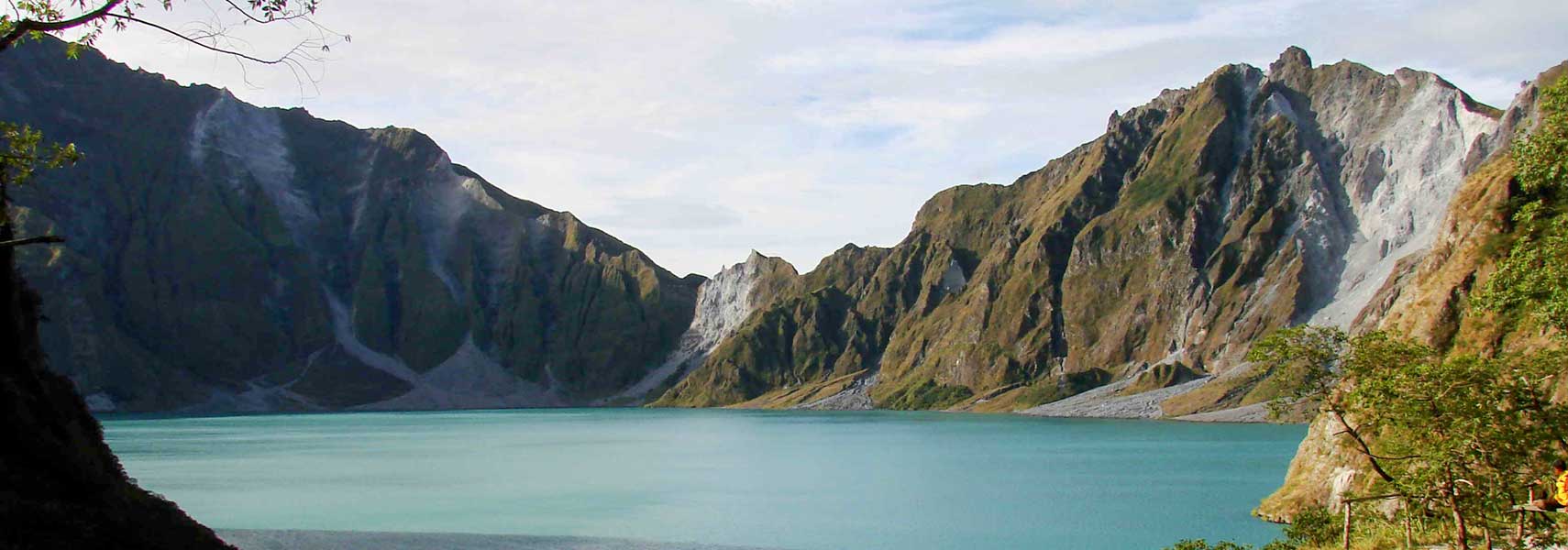
Terrain: Mountains on the smaller islands, larger islands have mountains with fertile
river valleys in the interior and narrow to extensive coastal plains.
Climate: Tropical, March to May is hot and dry, rainy season from June to October,
November to February moderate. Average temperatures: 78°F / 25°C to 90°F
/ 32°C
People:
Nationality: Noun--Filipino(s). Adjective--Philippine.
Population: 114 million (in 2024)
Luzon, the largest island group,
accounts for more than half of the entire population.
Ethnic Groups: Malay, Chinese.
Real GDP per capita: $9,700 (2023 est.)
Religions: Catholic 80%, Moslem 15%, Christian denominations, and Buddhists.
Languages: Filipino
(standardized Tagalog) and English (official). Filipino, which is based on Tagalog, is the national language.
English is also widely used and is the medium of instruction in higher education.
Literacy: 92%
Transparency: Rank 115 (out of 180 countries); Score 34, on a scale from 100 (very clean) to 0 (highly corrupt). Philippines is ranked in the Corruption Perceptions Index 2020 between
Moldova and
Egypt.
Natural resources: Timber, limited offshore petroleum, extensive mineral
deposits of copper, gold, silver, nickel, lead, and chromium.
Agriculture products: Rice, coconuts, corn, sugarcane, bananas, pineapples,
mangoes, pork, eggs, beef, fish.
Industries: electronics assembly, textiles, pharmaceuticals, chemicals,
wood products, food processing, petroleum refining, fishing.
Exports - commodities: semiconductors and electronic products, transport equipment, garments, copper products, petroleum products, coconut oil, fruits
Exports - partners: US 14%,
China 14%,
Hong Kong 11%,
Japan 10%,
Singapore 6% (2022)
Imports - commodities: electronic products, mineral fuels, machinery and transport equipment, iron and steel, textile fabrics, grains, chemicals, plastic
Imports - partners: China 32%,
Indonesia 8%,
South Korea 7%, Japan 7%, Singapore 6% (2022)
Currency: Philippine Peso (PHP)
 The Philippines in Figures
Philippines' key statistical data.






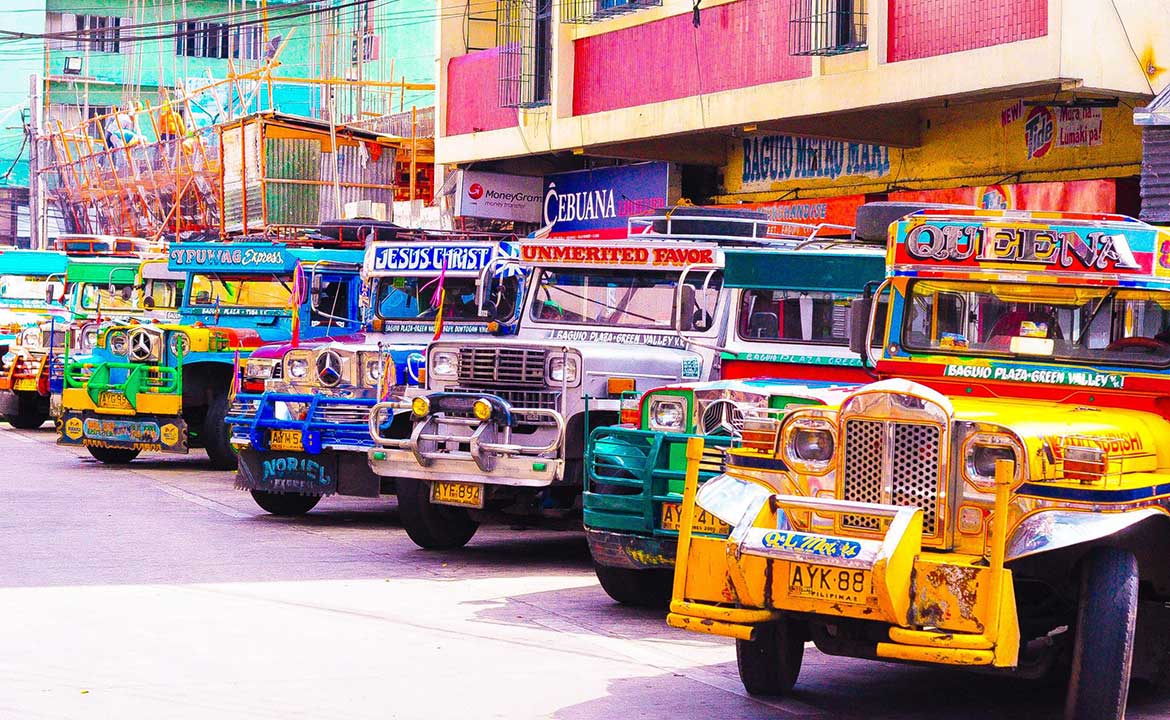
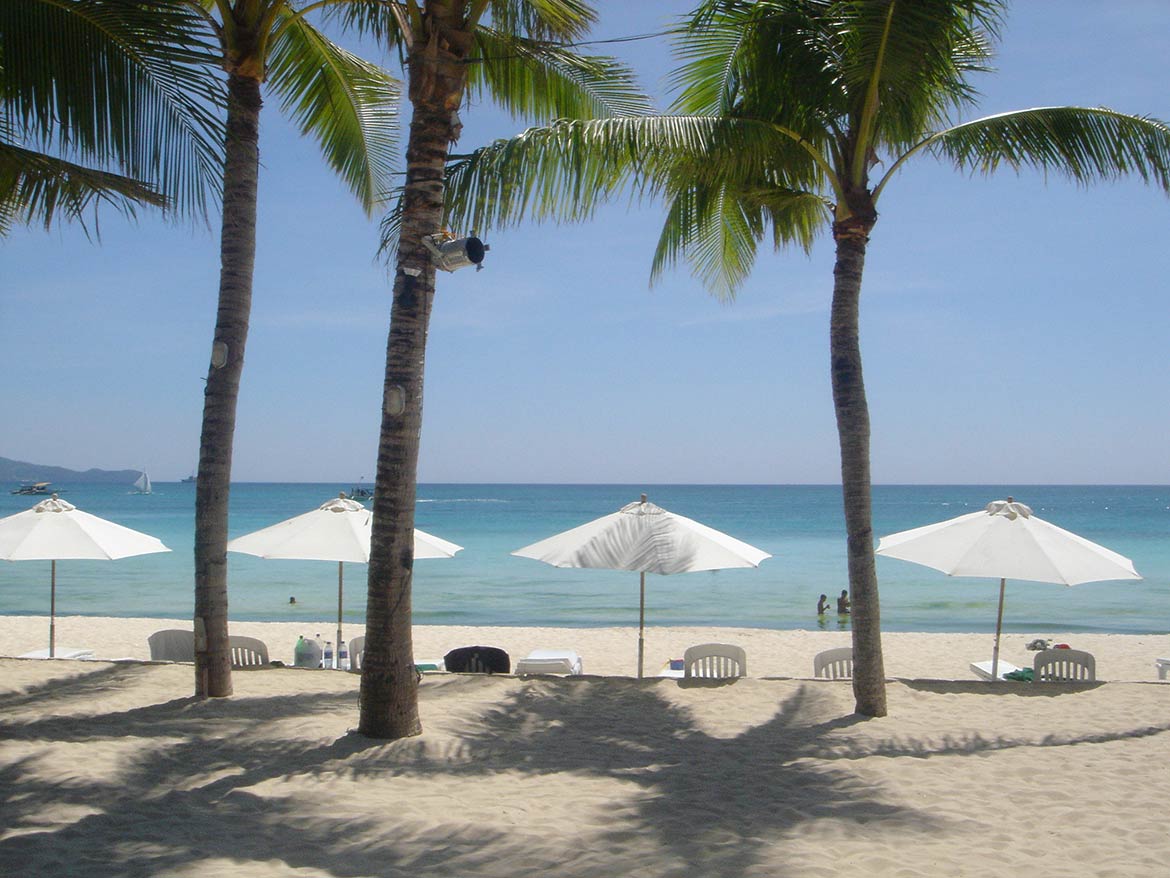

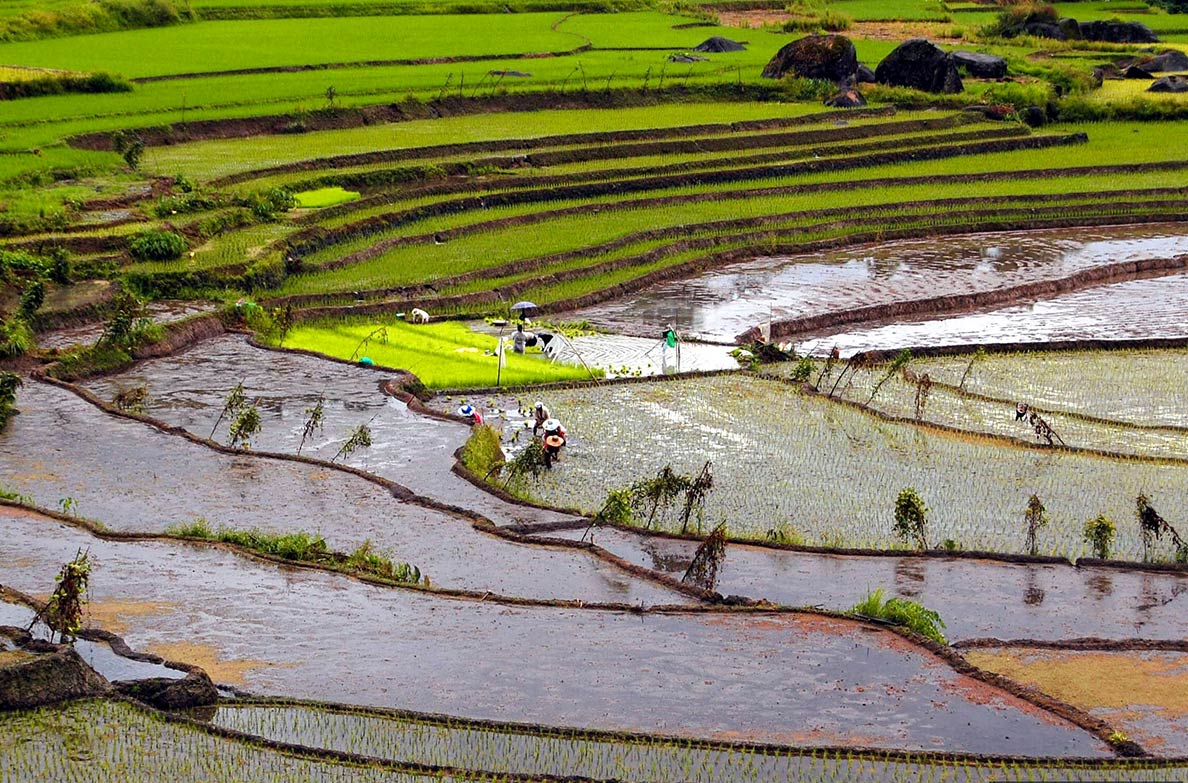

.jpg "Calle Crisólogo in Vigan, Philippines")
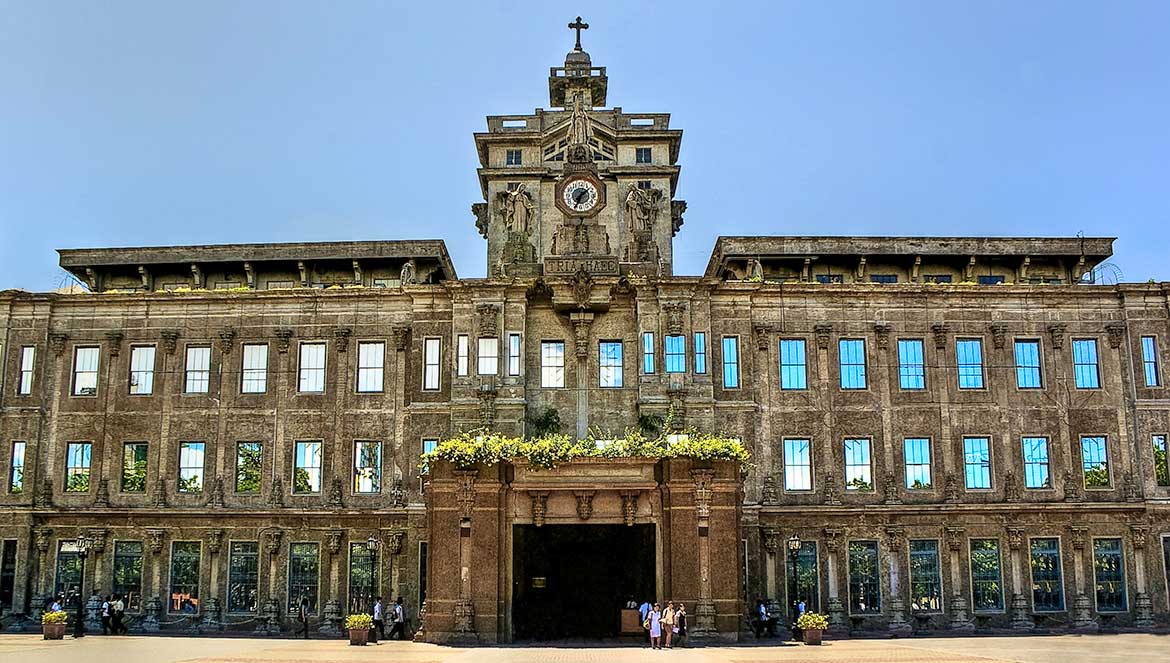
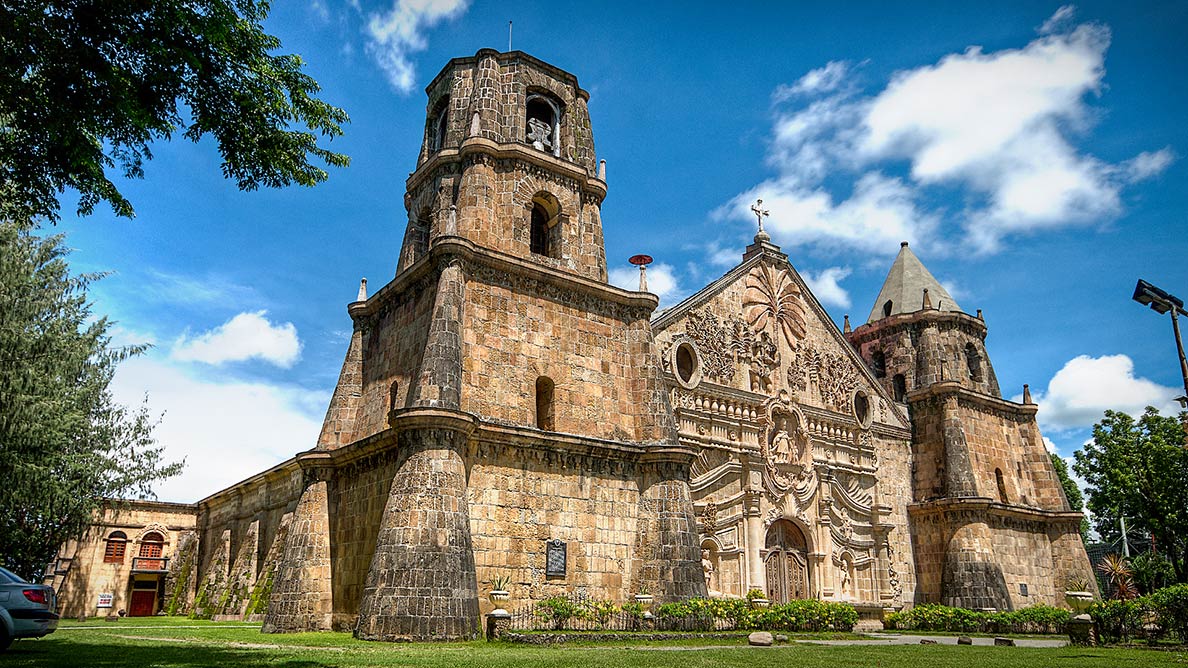
 are a UNESCO World Heritage Site